
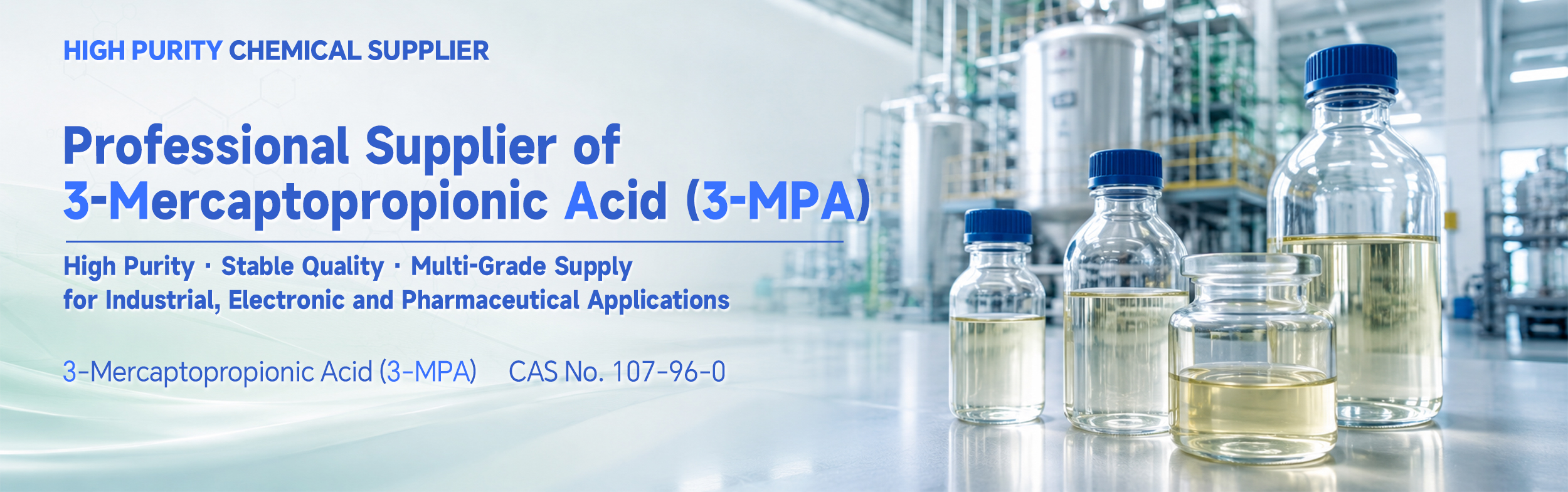

How to Select a Reliable 3-Mercaptopropionic Acid (3-MPA) Supplier?
For companies purchasing specialty chemicals, selecting the right supplier is not only about comparing prices.
A stable chemical supply requires consideration of multiple factors, including:
Product specification
Batch consistency
Quality documentation
Packaging
Delivery capability
Technical communication
Long-term supply reliability
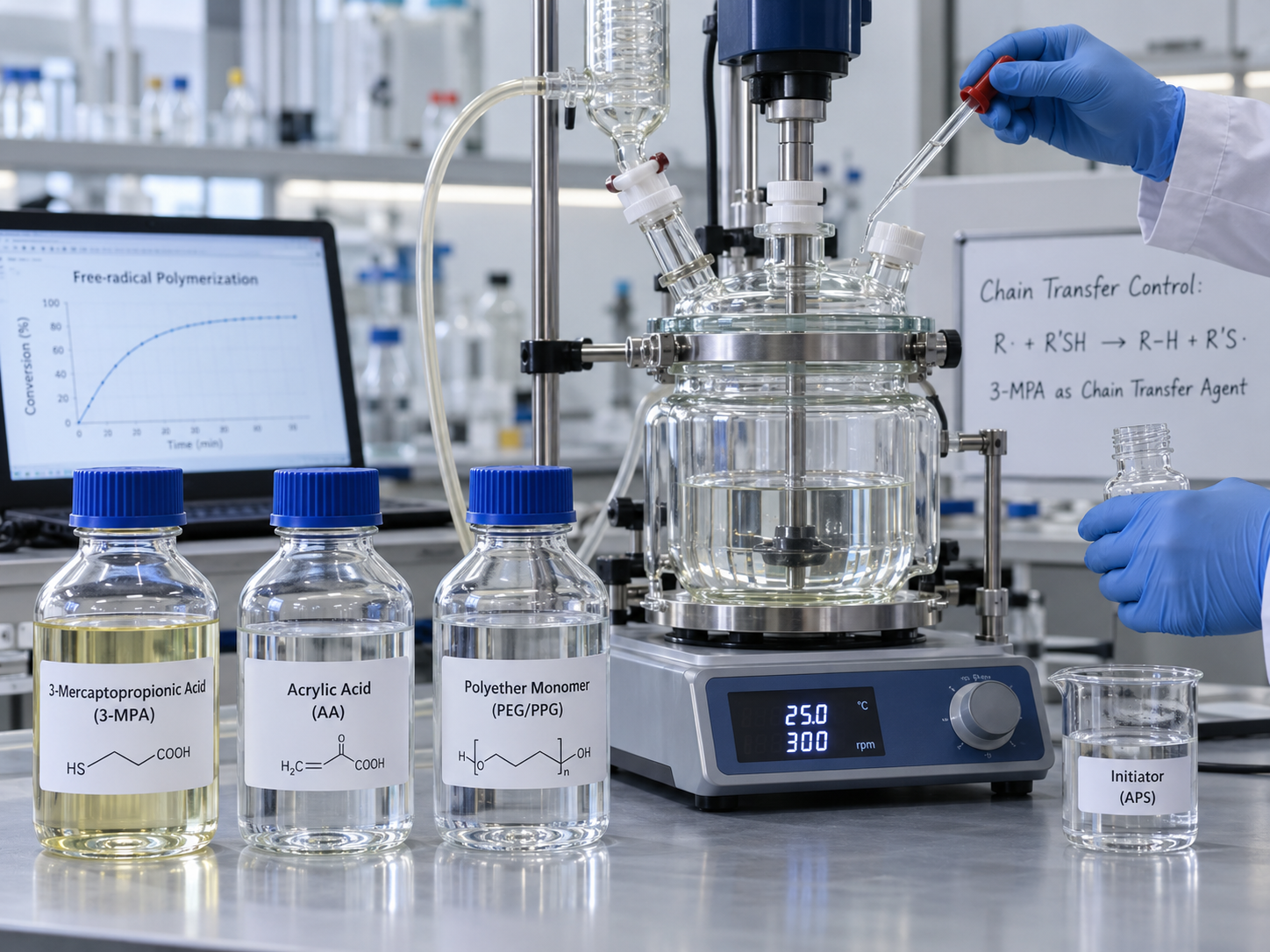
3-Mercaptopropionic Acid (3-MPA), also known as 3-MPA, is a sulfur-containing organic compound widely used in certain polymerization systems.
Because 3-MPA can participate in chain transfer reactions, it is commonly evaluated by customers involved in polymer synthesis and related chemical applications.
For industrial buyers, the key question is not only:
“Who offers the lowest price?”
but also:
“Which supplier can provide consistent quality and reliable supply for long-term production?”
1. Understand the Application Before Purchasing 3-MPA
Before selecting a supplier, buyers should first confirm the intended application.
3-Mercaptopropionic Acid may be used in different chemical systems, including:
Polymerization processes
Chain transfer applications
Specialty chemical synthesis
Research and development applications
Different applications may have different requirements regarding:
Purity
Moisture level
Packaging
Batch consistency
Technical documentation
A supplier who understands the application requirements can usually provide more suitable product information.
2. Product Specification Is the First Evaluation Point
When comparing different suppliers, buyers should review the product specification carefully.
Important information may include:
Product name
CAS number
Appearance
Purity
Moisture
Color
Packaging information
Storage recommendations
For 3-Mercaptopropionic Acid, specification control helps ensure that each batch meets the agreed purchasing requirements.
However, specification data should be evaluated together with actual application testing.
A product specification sheet provides important information, but the final suitability depends on the customer's process.
3. Why Batch Consistency Matters for 3-MPA Supply
For laboratory testing, one sample may be sufficient for initial evaluation.
However, industrial production requires stable supply over multiple batches.
Batch variation may influence:
Production stability
Process adjustment frequency
Quality control workload
Final product consistency
Therefore, when selecting a 3-MPA supplier, customers should consider not only one successful sample, but also the supplier's ability to maintain consistent quality during regular deliveries.
Long-term supply stability is an important part of chemical procurement.
4. Quality Documents Help Buyers Evaluate Suppliers
Professional chemical suppliers usually provide relevant technical documents according to customer requirements.
Common documents include:
Certificate of Analysis (COA)
A COA provides test results for a specific batch.
It helps customers confirm whether the supplied batch meets the agreed specification.
Safety Data Sheet (SDS)
An SDS provides safety-related information, including handling, storage and transportation considerations.
Technical Data Sheet (TDS)
A TDS provides general product information and typical characteristics.
Understanding the difference between these documents helps buyers use them correctly during supplier evaluation.
5. Why Sample Testing Is Important Before Large Orders
For specialty chemical products, sample testing is an important step before commercial purchasing.
A typical evaluation process may include:
Reviewing product documents
Testing the sample
Comparing with the existing material
Confirming process compatibility
Proceeding with commercial purchasing
Sample testing allows customers to evaluate whether the product matches their actual production requirements.

6. How to Evaluate a New 3-MPA Supplier?
When replacing an existing supplier, a controlled comparison is recommended.
A practical evaluation may include:
Step 1: Compare Product Documents
Check:
Specification
COA
SDS
Packaging information
Step 2: Test the Sample
Evaluate the product under the customer's standard conditions.
Step 3: Compare Production Performance
Observe whether the material performs consistently with the current product.
Step 4: Confirm Commercial Supply
After successful evaluation, confirm:
Order quantity
Packaging
Delivery schedule
Documentation requirements
This approach helps reduce unnecessary production risks.
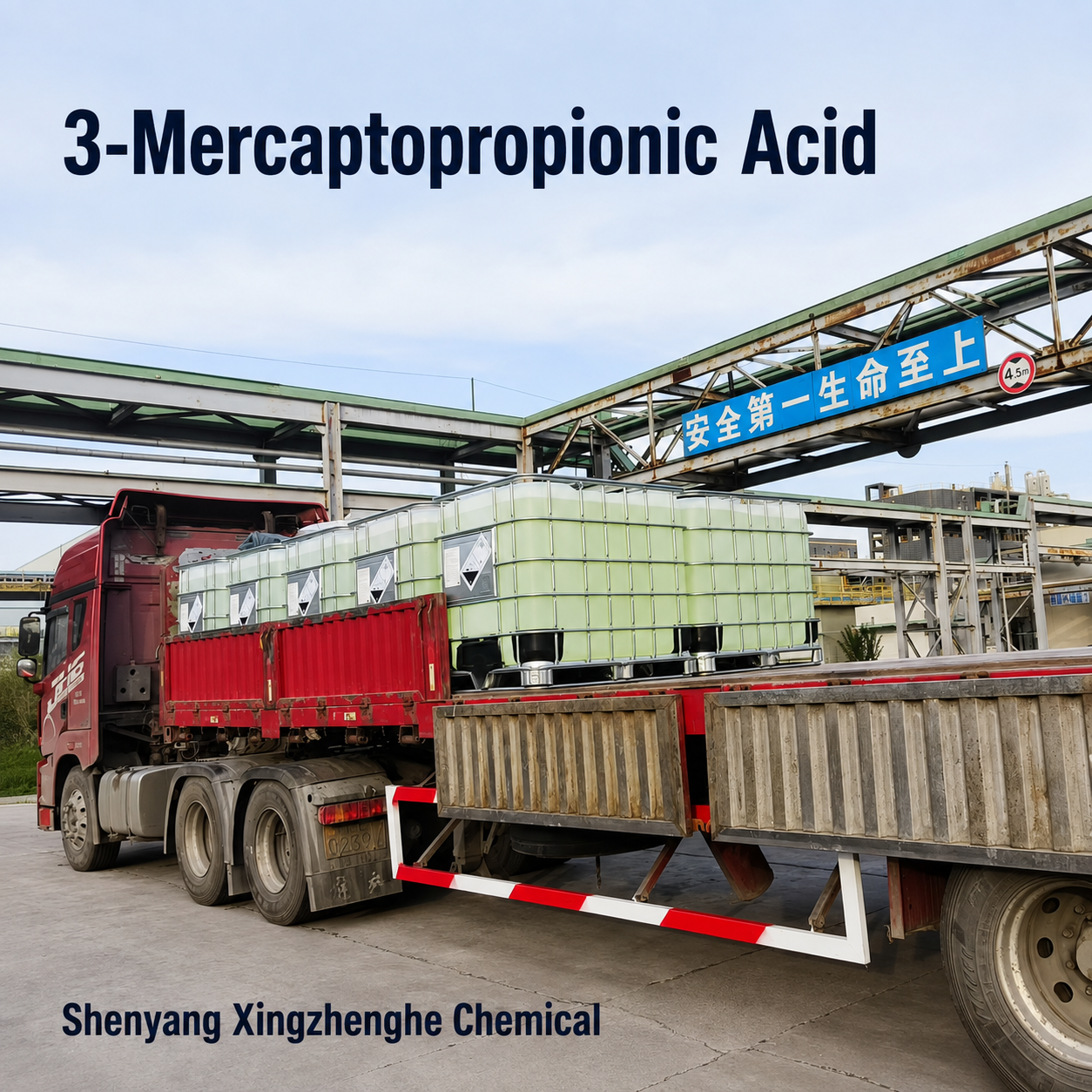
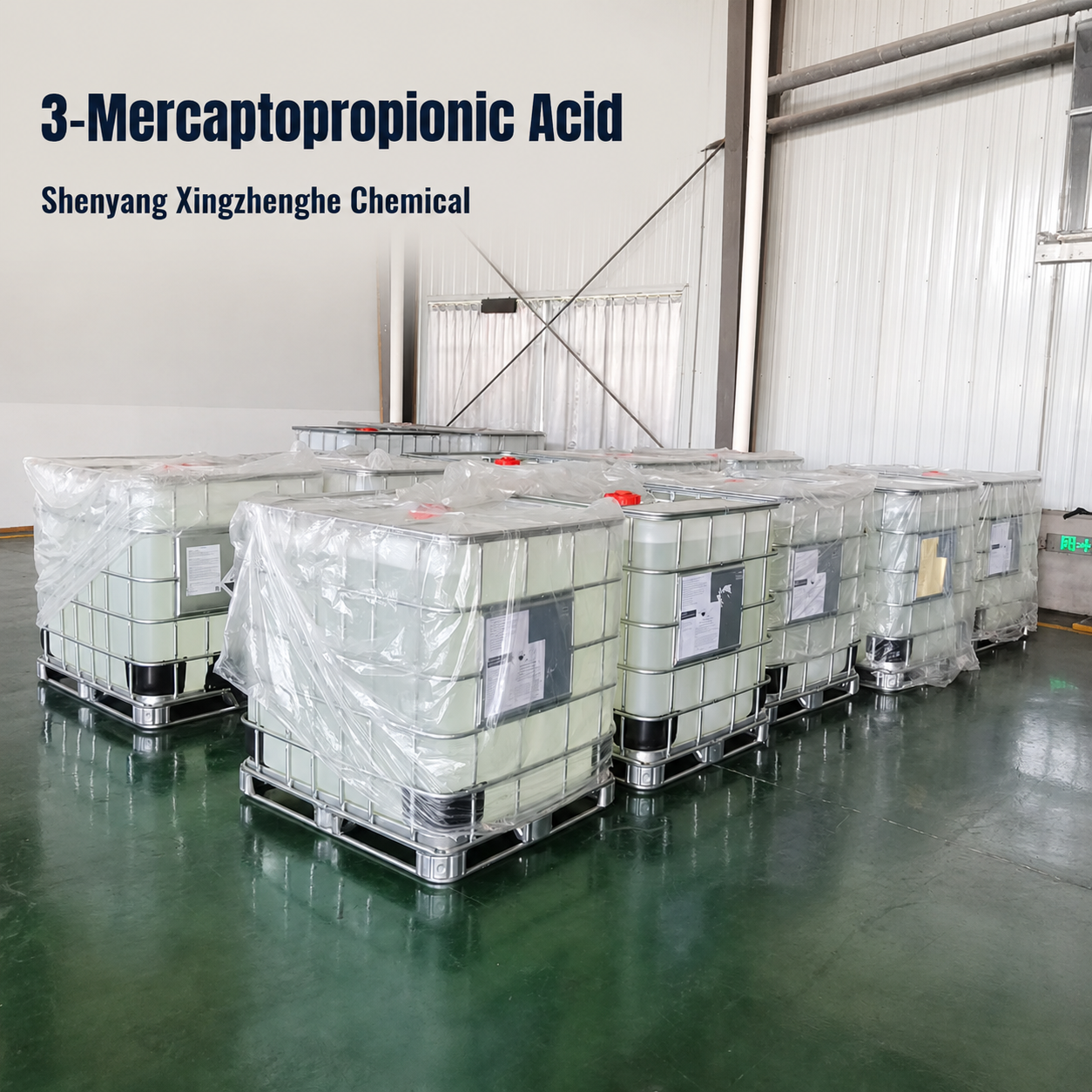
7. Packaging Requirements Should Be Confirmed Before Ordering
Packaging is an important part of international chemical trade.
Before placing an order, buyers should confirm:
Container type
Net weight
Loading method
Pallet requirements
Transportation conditions
Proper packaging helps maintain product condition during storage and transportation.
For international shipments, packaging should also meet the requirements of the destination market.
8. Storage Conditions Influence Product Management
Proper storage helps maintain product quality during the supply period.
Customers should pay attention to:
Keeping containers properly sealed
Avoiding unsuitable storage environments
Following supplier storage recommendations
Managing inventory according to production needs
Good warehouse management is also part of chemical quality control.
9. Why Supplier Communication Is Important
For specialty chemicals, effective communication between buyer and supplier can improve purchasing efficiency.
Important information to communicate includes:
Application
Required specification
Annual demand
Packaging preference
Destination
Required documents
Sample requirements
Clear communication helps suppliers understand the actual purchasing requirement and provide more appropriate support.
10. Price Comparison Should Include More Than Unit Cost
Price is an important factor in chemical procurement.
However, the lowest unit price does not always represent the lowest overall cost.
A complete evaluation may include:
Product quality stability
Testing requirements
Supply reliability
Transportation arrangement
Communication efficiency
A stable supplier relationship can help reduce unexpected costs caused by quality variation or supply interruption.
11. What Information Should Buyers Provide When Requesting a Quote?
To receive an accurate quotation, customers can provide:
Product name: 3-Mercaptopropionic Acid
Required specification
Application
Quantity
Packaging requirements
Destination country or port
Required documents
Sample requirements
Providing complete information helps suppliers prepare a more suitable offer.
Frequently Asked Questions
What is 3-Mercaptopropionic Acid?
3-Mercaptopropionic Acid (3-MPA) is an organic compound containing thiol and carboxylic acid groups. It is used in certain chemical synthesis and polymerization applications.
What is the CAS number of 3-MPA?
The CAS number of 3-Mercaptopropionic Acid is 107-96-0.
Why should buyers test 3-MPA samples before purchasing?
Sample testing helps customers confirm whether the product meets their process requirements before starting regular commercial supply.
What documents can suppliers provide for 3-MPA?
Depending on customer requirements, suppliers may provide COA, SDS, TDS and other relevant commercial documents.
How should buyers select a 3-MPA supplier?
A reliable supplier evaluation should consider product quality, batch consistency, documentation, packaging, communication and supply capability.
Conclusion
Selecting a 3-Mercaptopropionic Acid supplier requires more than comparing quotations.
A suitable supplier should provide:
Consistent product quality
Complete technical documentation
Reliable packaging
Stable delivery capability
Professional communication
For companies using 3-MPA in polymerization or specialty chemical applications, supplier stability is an important factor for long-term production.
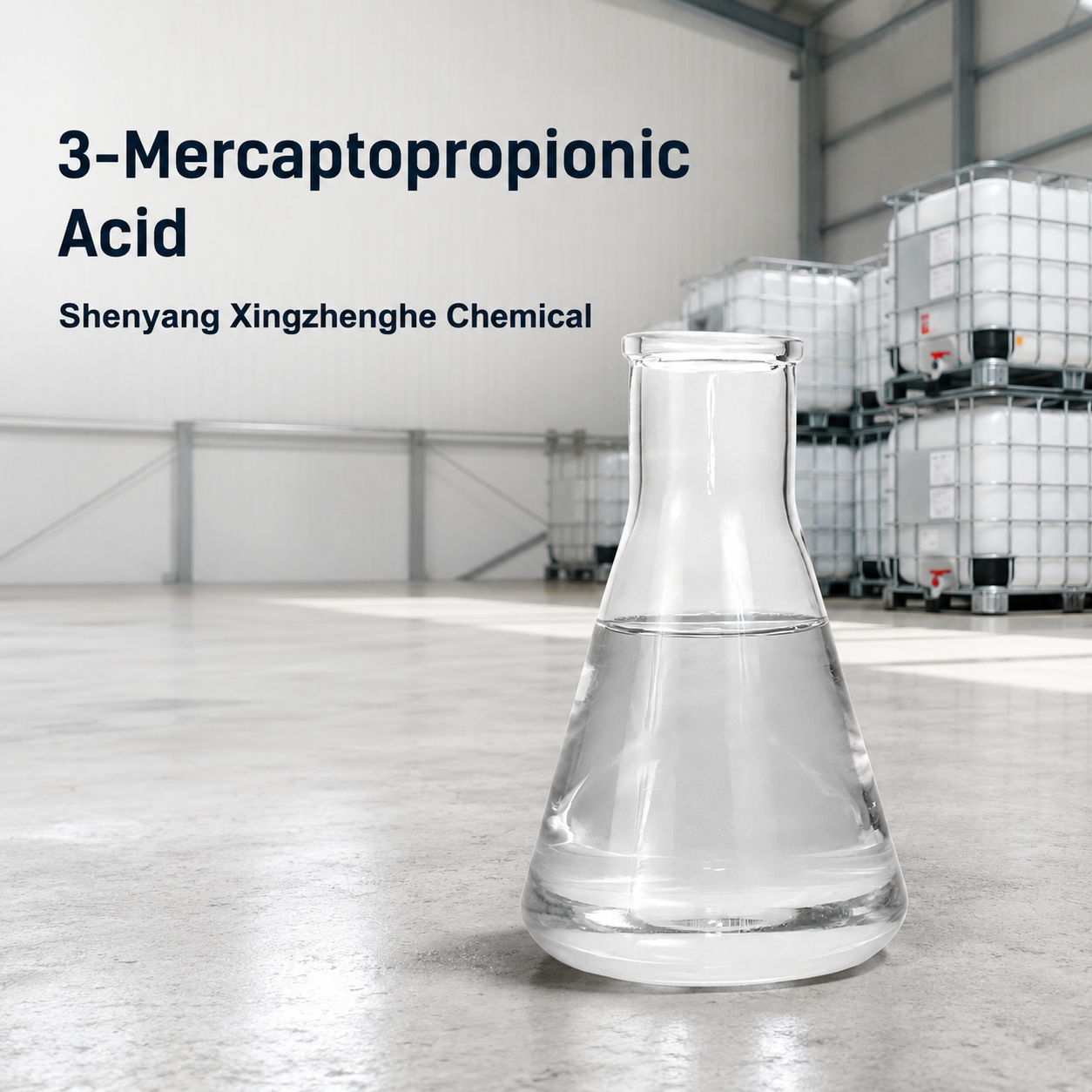
Shenyang Xingzhenghe Chemical Co., Ltd. supplies 3-Mercaptopropionic Acid (3-MPA) and provides product documentation, samples and export support according to customer requirements.
Specific product suitability should be confirmed according to the customer's application conditions and testing requirements.
 How to Select a Reliable 3-Mer
 How Does 3-MPA Control Molecul
 3-Mercaptopropionic Acid as a
 3-Mercaptopropionic Acid (3-MP