
3-Mercaptopropionic Acid: An Analysis of Performance, Cost, and Safety Advantages
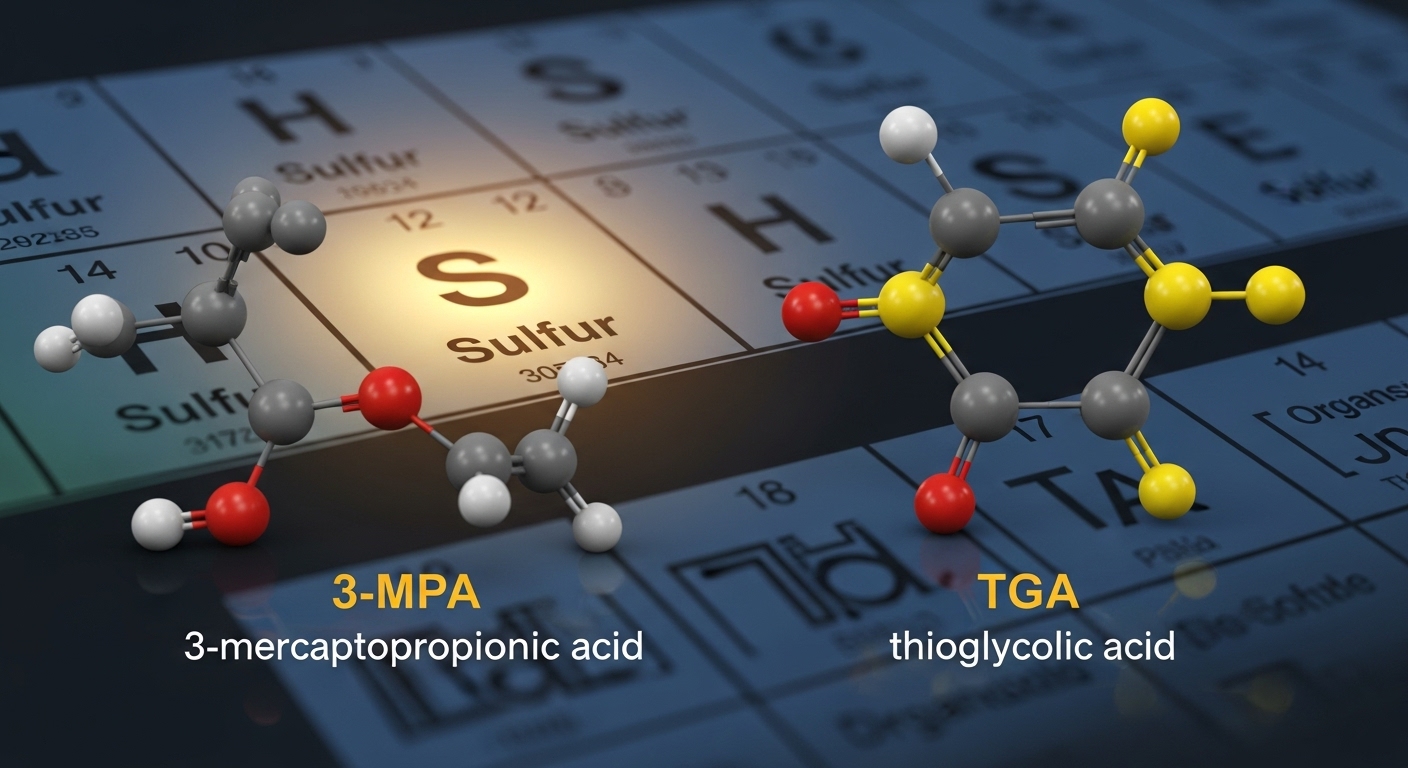
In the field of fine chemicals, 3-mercapto propionic acid (3-MPA) is a crucial organosulfur compound often compared to thioglycolic acid (TGA). Despite their structural similarity—both containing a thiol group and a carboxyl group—they exhibit distinct advantages in performance, cost-effectiveness, and operational safety during practical applications. This article will delve into the unique advantages of 3-mercapto propionic acid over thioglycolic acid, providing decision-making references for industry users.
I. Performance: Exceptional in Specific Applications
The performance advantages of 3-mercapto propionic acid are not universal but manifest in specific application scenarios, demonstrating superior characteristics compared to thioglycolic acid:
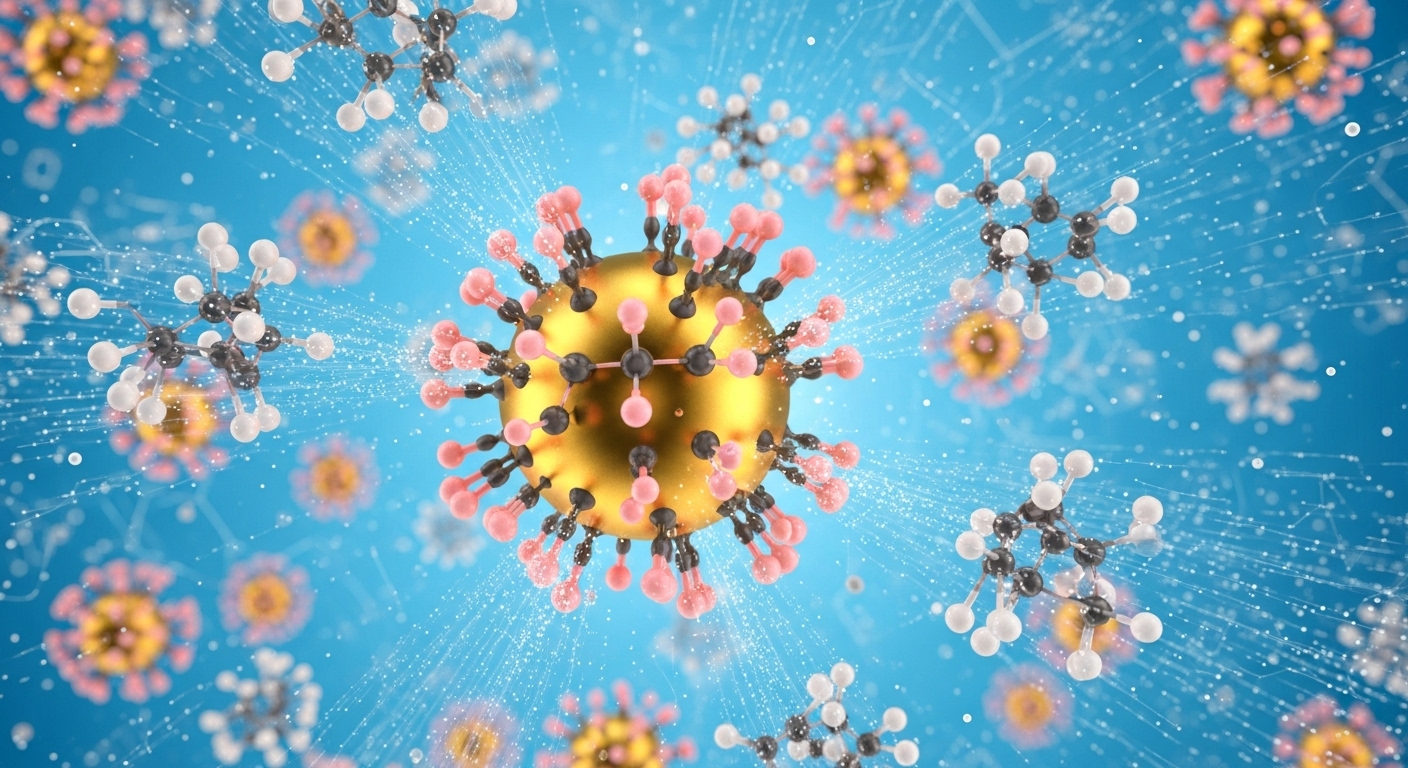
Polymer Heat Stabilizers: In synthesizing polyvinyl chloride (PVC) heat stabilizers, products using 3-MPA as raw material deliver superior thermal stability in transparent applications. While mercaptoacetic acid can also serve as a stabilizer, 3-MPA demonstrates more pronounced performance in certain high-end transparent uses. Catalysis and Co-Catalysis: In certain organic synthesis reactions, 3-MPA functions as a co-catalyst, effectively enhancing reaction efficiency and yield. Its unique structure confers greater activity and selectivity than mercaptoacetic acid in specific catalytic systems. Polymer Chain Transfer Agent: In polymer production, 3-MPA serves as an excellent chain transfer agent, particularly excelling in the synthesis of polycarboxylic acid superplasticizers. This confers significant application value to 3-MPA in the construction chemicals sector. Synthesis of High-Purity Products: 3-MPA can be reacted with substances like maleic acid to synthesize carboxyethyl thiobutanedioic acid, which possesses high acidity and strong chelating capabilities. In contrast, while mercaptoacetic acid has broad applications, its performance in synthesizing certain specific high-purity products may be inferior to that of 3-MPA. Nanoparticle Preparation: Due to its thiol group's affinity for gold, 3-MPA is extensively used in preparing hydrophilic gold nanoparticles, holding significant value in biomedical and materials science applications.
II. Cost: Economic Advantages in Specific Process Routes
Cost is an indispensable factor in industrial production. Under certain specific production processes, 3-Mercaptopropionic acid demonstrates notable cost-effectiveness:
Raw Material Utilization: A key production route for 3-MPA involves utilizing acrylic acid and hydrogen sulfide—a petrochemical byproduct—as feedstocks. This approach not only transforms hydrogen sulfide from waste to valuable resource but also offers substantial cost advantages over alternative synthesis methods, representing an economical and environmentally friendly production pathway. Synthesis Efficiency: In specific syntheses, such as producing the antidepressant O-desmethylvenlafaxine, 3-MPA serves as an inexpensive O-demethylating reagent. It effectively boosts yields and streamlines operational procedures, thereby reducing overall production costs. Market Pricing: While 3-MPA's market price is influenced by its primary feedstocks—acrylic acid and sulfur compounds—the cost advantages of specific processes enhance its competitiveness in certain applications.
III. Operational Safety: Strict Precautions Against Toxicity and Corrosivity
Despite its performance and cost advantages, operational safety with 3-mercaptoacrylic acid must not be overlooked. Similar to mercaptoacetic acid, 3-MPA exhibits corrosive and toxic properties, necessitating strict adherence to safety protocols:
Corrosivity: 3-MPA is corrosive. Ingestion causes poisoning and may result in severe skin burns and eye damage. Methylthioacetic acid is also corrosive and may cause severe skin and eye irritation. Neurotoxicity: Notably, 3-MPA is a neurotoxin and potent glutamate decarboxylase (GAD) inhibitor that can induce convulsions. This is a critical consideration for biomedical research and applications requiring strict control of neurotoxic risks. Personal Protection: Strict personal protective measures must be implemented when handling both chemicals, including wearing protective clothing, gloves, goggles, and a face shield, and operating in a well-ventilated area. Long-Term Hazards: Prolonged exposure to 3-mercapto propionic acid may cause liver and kidney damage. Therefore, exposure must be strictly controlled during production and use, with regular health monitoring conducted.
In summary, 3-mercaptopropionic acid and mercaptoacetic acid each possess distinct characteristics. The selection of either chemical should be based on a careful evaluation of specific application requirements:
If your project requires exceptional thermal stability, or in specific applications such as PVC stabilizers, certain polymers, and organic synthesis, 3-mercapto propionic acid may offer superior performance. When cost is a primary consideration, a comprehensive evaluation based on market pricing and the cost-effectiveness of specific production processes is necessary. In certain production routes utilizing by-products as feedstocks, 3-mercapto propionic acid may prove more economical. Regardless of the choice, strict adherence to safety protocols is mandatory during handling, as both chemicals are corrosive and toxic. For applications requiring specific enzyme inhibition, such as biomedical research, the neurotoxicity of 3-mercaptoacetic acid is a critical consideration.
Ultimately, the selection between 3-mercaptopropionic acid and mercaptoacetic acid should be based on a comprehensive evaluation of performance, cost, and safety to ensure optimal economic efficiency and production safety.
 Technical specifications and
 3-Mercaptopropionic Acid: A C
 3-Mercaptopropionic Acid: An
 Characteristics of 3-Mercaptop