


Application of 3-Mercaptopropionic Acid in Polycarboxylate Superplasticizer Synthesis
1. Introduction
Polycarboxylate superplasticizers are a widely used type of admixture in modern concrete. Compared to traditional products such as naphthalene-based and melamine-based superplasticizers, polycarboxylate superplasticizers offer greater molecular design flexibility, relatively high water reduction rates, and good slump retention. They have become a common choice for formulating high-performance concrete.
In the free radical polymerization synthesis of polycarboxylate superplasticizers, molecular weight and its distribution are key factors affecting product performance. Excessive molecular weight reduces the polymer's adsorption capacity on cement particle surfaces, while insufficient molecular weight compromises dispersion stability and slump retention. Effective molecular weight control requires careful selection of a chain transfer agent.
3-Mercaptopropionic Acid (MPA) is one of the more commonly used chain transfer agents in the synthesis of polycarboxylate superplasticizers. This article introduces its mechanism of action, dosage effects, and application methods in different product types.
2. Basic Properties of 3-Mercaptopropionic Acid
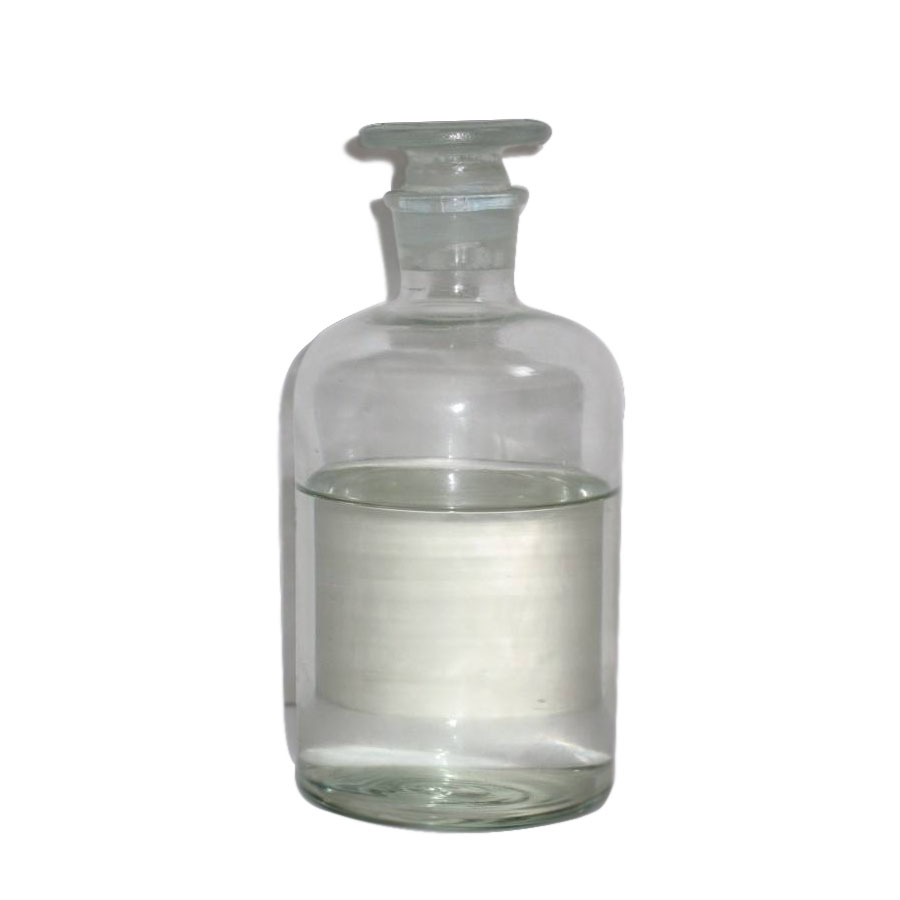
3-Mercaptopropionic Acid has the molecular formula C₃H₆O₂S and a molecular weight of 106.14. At room temperature, it appears as a colorless to pale yellow transparent liquid. The molecule contains both a mercapto group (-SH) and a carboxyl group (-COOH).
The mercapto group provides high chain transfer activity in free radical polymerization systems, while the carboxyl group offers water solubility and compatibility with polar monomers. 3-Mercaptopropionic acid is miscible with water, alcohols, ethers, and many other solvents, making it suitable for use in aqueous free radical polymerization systems for polycarboxylate superplasticizers.
Industrial-grade 3-mercaptopropionic acid typically has a purity above 98% and should be stored in sealed containers in a cool, dry place away from oxidizing agents.
3. Chain Transfer Mechanism
The synthesis of polycarboxylate superplasticizers typically follows a free radical polymerization route. Three main types of raw materials are involved:
Polyether macromonomers: such as TPEG and HPEG
Unsaturated carboxylic acid monomers: primarily acrylic acid, sometimes methacrylic acid or maleic anhydride
Initiators: either thermal initiators (e.g., ammonium persulfate) or redox initiators (e.g., hydrogen peroxide-ascorbic acid system)
Without a chain transfer agent, free radical polymerization lacks an effective termination mechanism. Polymer chains continue to grow indefinitely, resulting in excessively high molecular weight and broad distribution, leading to unstable product performance.
As a chain transfer agent, 3-mercaptopropionic acid changes this situation. Its mechanism can be summarized as follows:
During polymerization, the growing chain free radical reacts with the mercapto group of the 3-mercaptopropionic acid molecule
The original chain free radical terminates, forming an inactive polymer chain
The 3-mercaptopropionic acid is converted into a mercapto free radical, which re-initiates monomer polymerization
Through this chain transfer process, the length of polymer chains is effectively controlled, resulting in a more concentrated molecular weight distribution. 3-Mercaptopropionic acid has a relatively high chain transfer constant, meaning that a small amount can produce significant molecular weight control effects.
When 3-mercaptopropionic acid is used as a chain transfer agent, the number-average molecular weight of the polycarboxylate superplasticizer can be controlled between 15,000 and 25,000, with monomer conversion rates typically above 90%.
4. Effect of Dosage on Product Performance
The dosage of 3-mercaptopropionic acid directly affects product performance.
Low dosage: Insufficient chain transfer activity leads to excessive molecular weight (possibly exceeding 40,000), limiting the dispersing effect of the superplasticizer and narrowing its adaptability to different cement types.
Appropriate dosage: Molecular weight falls within a reasonable range, providing good dispersing ability, slump retention, and adaptability to mainstream cement types.
High dosage: Molecular weight becomes too low (possibly below 10,000), reducing slump retention and water reduction rate.
The recommended dosage range for 3-mercaptopropionic acid is generally 0.4% to 0.8% by mass of the polyether macromonomer (or total monomer mass). The optimal dosage depends on several factors:
Acid-ether ratio (molar ratio of acrylic acid to polyether macromonomer)
Type and amount of initiator system
Polymerization temperature and time
Target molecular weight requirements of the final product
5. Applications in Different Types of Superplasticizers
1. Sustained-Release Slump-Retaining Type
Slump-retaining superplasticizers need to maintain concrete fluidity over extended periods, placing higher demands on molecular structure controllability. Using VPEG macromonomer, acrylic acid, and hydroxyethyl acrylate as comonomers, with 3-mercaptopropionic acid as the chain transfer agent and a hydrogen peroxide-ascorbic acid initiator system, the resulting slump-retaining polycarboxylate superplasticizer exhibits good slump retention capability.
2. Anti-Clay Type
When the sand and gravel aggregates contain high clay content, clay can adsorb the polycarboxylate superplasticizer, leading to performance degradation. Using 3-mercaptopropionic acid as the chain transfer agent and designing the molecular structure specifically for this purpose, an anti-clay product can be synthesized that maintains good dispersing effectiveness even under high clay content conditions.
3. Early-Strength Type
In precast concrete component production, early strength directly affects demolding time and production efficiency. Using 3-mercaptopropionic acid as the chain transfer agent while introducing amide groups or other functional monomers into the molecular structure allows the synthesis of an early-strength polycarboxylate superplasticizer, which helps improve the early strength of concrete.
6. Usage and Storage Precautions
3-Mercaptopropionic acid is an organic acid with corrosive properties. The following precautions should be taken during industrial use:
Wear protective gloves, goggles, and face shields during operation; avoid direct contact with skin and eyes
Maintain good ventilation in the work area; avoid inhaling vapors or mists
In case of skin contact, immediately remove contaminated clothing and rinse with plenty of water for at least 15 minutes
In case of eye contact, immediately rinse with flowing water and seek medical attention
Store in sealed containers in a cool, dry, well-ventilated area away from oxidizing agents and strong bases
Storage temperature should not exceed 30°C; avoid direct sunlight
7. Summary
As a chain transfer agent in the synthesis of polycarboxylate superplasticizers, 3-mercaptopropionic acid has a clear mechanism of action and predictable control effects. By reasonably controlling the dosage and coordinating with other process parameters, the molecular weight and distribution of the product can be effectively controlled, resulting in a superplasticizer with good dispersion performance, slump retention, and adaptability.
In actual production, the appropriate formulation should be determined through process trials based on raw material characteristics and target product requirements. Different application scenarios—such as slump-retaining, anti-clay, and early-strength types—have different requirements for the dosage and supporting processes of 3-mercaptopropionic acid, and should be optimized accordingly.
The application of 3-mercaptopropionic acid in the synthesis of polycarboxylate superplasticizers has been well established through extensive industrial practice and represents a technically mature and stable technical approach.
 Mercaptopropionic Acid (3-Merc
 Application of 3-Mercaptopropi
Application of 3-Mercaptopropi
Application of 3-Mercaptopropi
Application of 3-Mercaptopropi
Application of 3-Mercaptopropi