

Mercaptopropionic Acid (3-Mercaptopropionic Acid): A Multifunctional Intermediate for Polymerization and Industrial Synthesis
In the fields of organic synthesis and polymer materials, thiol compounds have attracted attention due to their unique reactivity. Mercaptopropionic acid (3-mercaptopropionic acid) is a small organic molecule containing both a thiol group (-SH) and a carboxyl group (-COOH). This dual-functional group structure enables it to serve as a functional intermediate across multiple industrial sectors.
Product Basic Characteristics
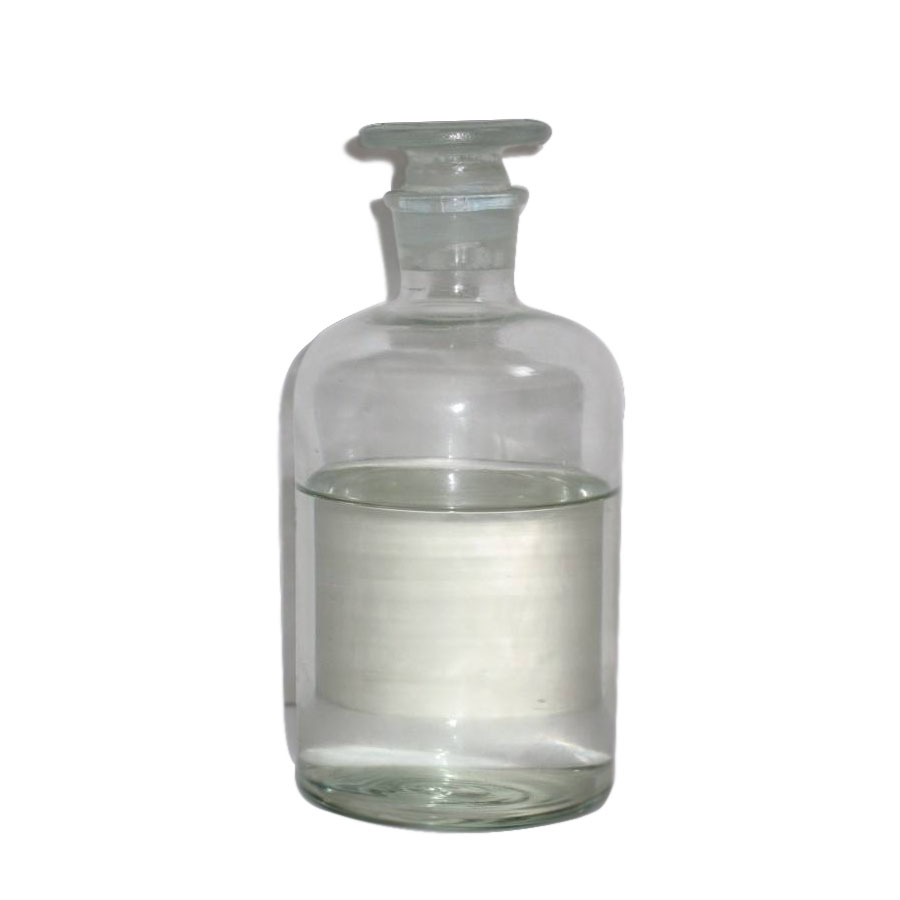
The chemical formula of mercaptopropionic acid (3-mercaptopropionic acid) is C₃H₆O₂S, with CAS Registry Number 107-96-0 and a molecular weight of approximately 106.14. It appears as a colorless to pale yellow transparent liquid with a noticeable sulfide odor.
In terms of physical properties, this product exhibits the following characteristics:
Solubility: Soluble in water and miscible with most organic solvents such as ethanol, benzene, toluene, diethyl ether, and chlorinated hydrocarbons.
Density: Approximately 1.22 g/cm³ at 25°C.
Melting Point and Boiling Point: Melting point is approximately 16.8°C, and the product may solidify into crystals at lower room temperatures. Boiling point is approximately 110-112°C at 10 mmHg.
From a chemical perspective, the thiol group in mercaptopropionic acid has relatively high reactivity, making it prone to participate in various chemical reactions. It exhibits certain reducing properties and can form complexes with metal ions. Meanwhile, the carboxyl group provides acidic characteristics, allowing neutralization reactions with bases.
Main Application Areas
1. Polycarboxylate Superplasticizers
In the concrete admixture industry, mercaptopropionic acid can serve as a molecular chain transfer agent during the synthesis of polycarboxylate superplasticizers. In polymerization reactions, it helps regulate the length of polymer molecular chains and assists in controlling product molecular weight distribution, which in turn affects the dispersing performance and slump retention capability of the superplasticizer.
2. PVC Heat Stabilizers
In the polyvinyl chloride (PVC) processing industry, mercaptopropionic acid can be used in the production of organotin heat stabilizers. These stabilizers help improve the thermal stability of PVC products during processing and are suitable for the production of transparent products.
3. Polymer Polymerization Reactions
In free radical polymerization systems, mercaptopropionic acid can be used as a chain transfer agent to regulate polymer molecular weight. This application is common in the synthesis of acrylic resins, polyacrylamide, and similar products.
4. Other Industrial Uses
Metal Surface Treatment: Mercaptopropionic acid can form stable complexes with metal ions and can be used in metal cleaning and surface treatment processes.
Biochemical Reagents: Can be used as a derivatization reagent in analytical chemistry.
Nanomaterial Preparation: Can serve as a ligand for the synthesis and stabilization of metal nanoparticles or quantum dots.
Technical Data Reference (Typical Range)
| Parameter | Typical Range | Description |
|---|---|---|
| Appearance | Colorless to pale yellow transparent liquid | —— |
| Content (%) | ≥ 98.5 – 99.0 | Common standard for industrial grade |
| Density (20-25°C) | 1.216 – 1.224 g/cm³ | —— |
| Chromaticity | ≤ 20 | APHA color standard |
| Melting Point | ~16.8°C | May solidify at low temperatures |
| Flash Point | ~93°C | Closed cup |
Note: The above data represent typical product performance ranges. Different manufacturers and product specifications may vary. Please refer to specific batch test reports for accurate values.
Usage Recommendations
Dosage/Application Rate: In polycarboxylate superplasticizer synthesis, the dosage as a chain transfer agent should be adjusted based on the target molecular weight. Preliminary trials are recommended to determine suitable proportions.
Handling Precautions: Mercaptopropionic acid has a pungent odor. Operation in well-ventilated areas is recommended. The product has certain corrosive properties. Direct contact with skin and eyes should be avoided.
Compatibility with Other Substances: Should be kept away from strong oxidizers, strong bases, and strong reducing agents to prevent adverse reactions.
Packaging and Storage
Packaging Forms: Available in IBC tank. Custom packaging can also be provided upon request.
Storage Conditions: Recommended storage in a cool, dry, well-ventilated warehouse away from ignition sources, heat sources, and direct sunlight. Containers should be kept sealed to prevent moisture absorption and oxidation.
Transportation Requirements: Avoid impact and prolonged sun exposure during transport. Do not transport together with oxidizing agents, acids, or other incompatible materials.
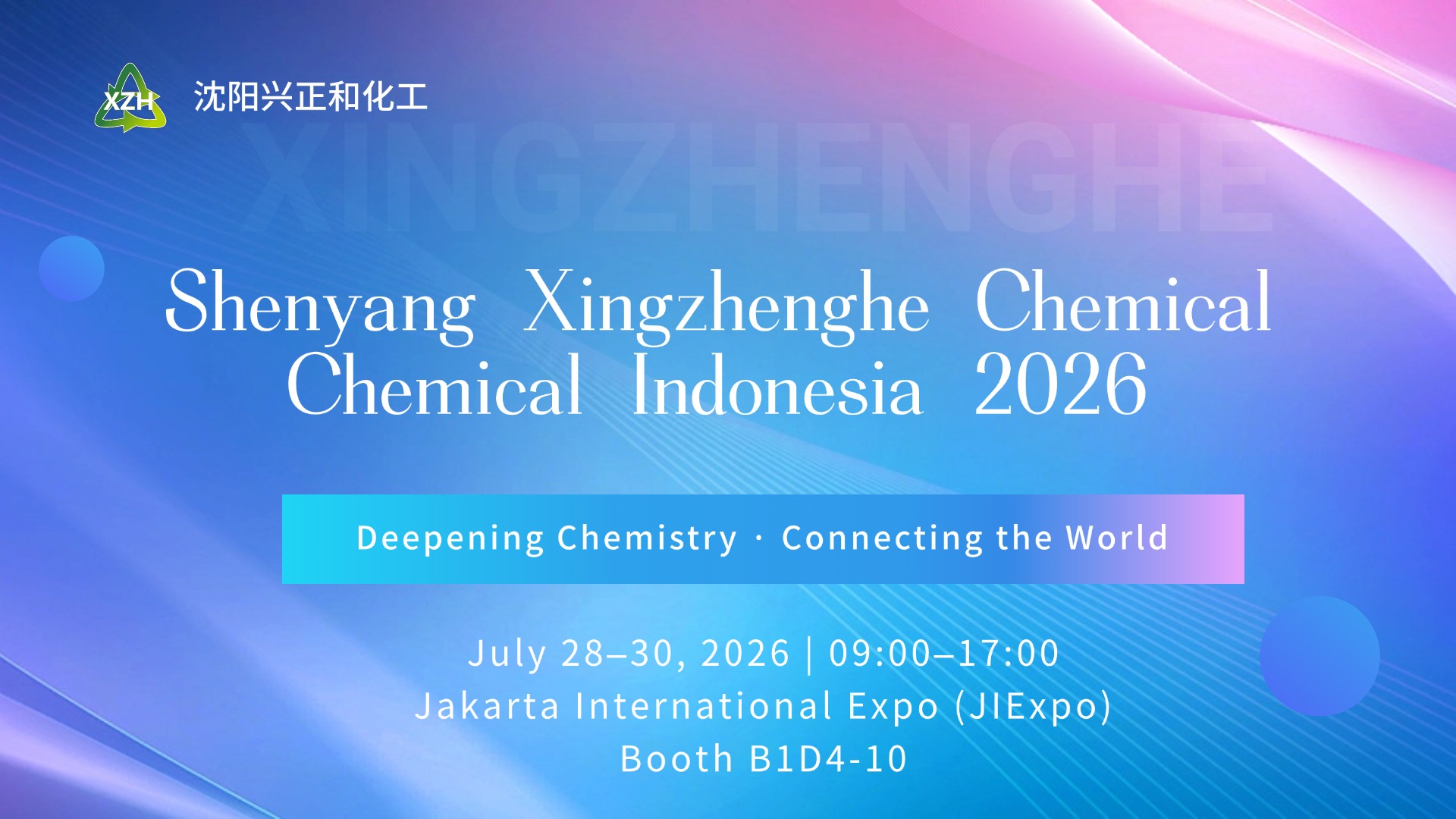 Meet Us in Jakarta | Shenyang
 Mercaptopropionic Acid (3-Merc
 Application of 3-Mercaptopropi
Application of 3-Mercaptopropi
Application of 3-Mercaptopropi