


3-Mercaptoacetic Acid: Uses, Properties & Storage Guide
1. What Is 3-Mercaptoacetic Acid? Overview & Molecular Structure
3-Mercaptoacetic acid, also known as 3-mercaptopropionic acid or β-mercaptopropionic acid, is an organosulfur compound with the CAS number 107-96-0. It features dual functional groups — a thiol group (-SH) and a carboxylic acid group (-COOH) — with the molecular formula C₃H₆O₂S and a molecular weight of 106.14.
Structural Feature: The thiol group is located on the β-carbon atom. This dual-functional-group design enables simultaneous participation in both thiol-type and carboxylic acid-type reactions, delivering unique reactivity across a wide range of chemical processes.
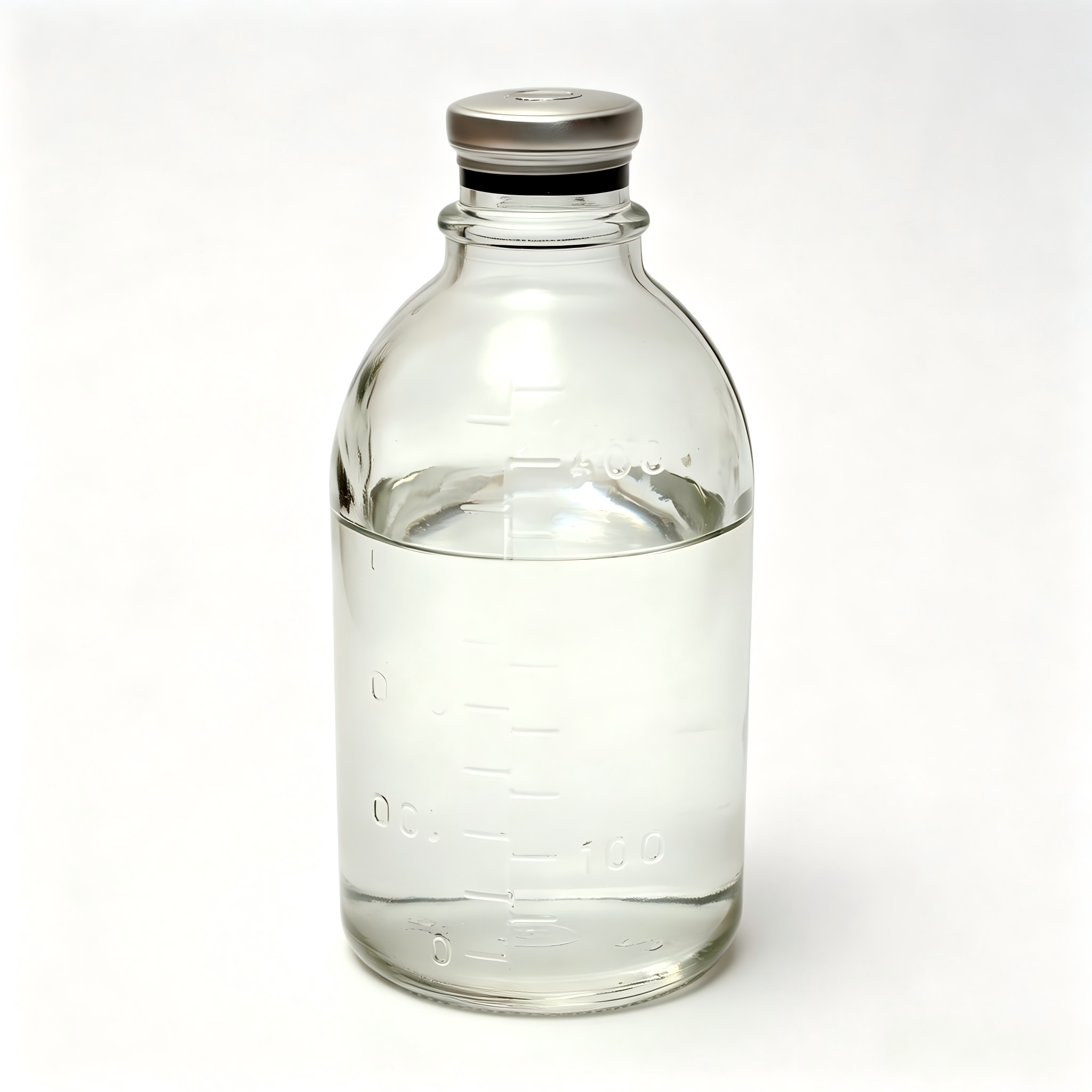
At room temperature and atmospheric pressure, 3-mercaptoacetic acid is a colorless to pale yellow clear liquid with a density of approximately 1.218 g/cm³, a boiling point of 197–199°C, and a flash point of approximately 93°C. It is miscible with water, ethanol, and diethyl ether. Despite containing a thiol group, its odor is significantly milder than that of thioglycolic acid — a practical advantage in industrial handling.
2. Key Performance Characteristics
1. Dual Functional Group Reactivity
The thiol group (-SH) exhibits strong nucleophilicity and can undergo addition or substitution reactions with double bonds, epoxy groups, and acyl chlorides. Meanwhile, the carboxylic acid group (-COOH) participates in esterification, salt formation, and amidation reactions. The two functional groups operate independently, making 3-mercaptoacetic acid a versatile multi-purpose intermediate in organic synthesis.
2. Strong Coordination & Chelation Ability
Lone electron pairs on the sulfur and oxygen atoms enable 3-mercaptoacetic acid to form stable coordination bonds or chelate complexes with various metal ions. This property is particularly valuable in electroplating, catalysis, and related applications.
3. High Efficiency as a Chain Transfer Agent
During polymer synthesis, the thiol group of 3-mercaptoacetic acid undergoes efficient chain transfer reactions with free radicals, enabling effective control of polymer molecular weight and molecular weight distribution. Its moderate chain transfer constant facilitates the production of polymers with well-defined structures.
4. Relatively Mild Physical Properties
Compared to thioglycolic acid, 3-mercaptoacetic acid has lower volatility, milder odor, and gentler acidity (pKa ≈ 4.3), making it more user-friendly in practical operations.
3. Five Major Industrial Applications
1. PVC Heat Stabilizers
This is one of the largest industrial application areas for 3-mercaptoacetic acid. Mercaptopropionate ester derivatives (such as dioctyl mercaptopropionate) serve as key components in organotin heat stabilizers. During PVC processing, these stabilizers function through the following mechanisms:
Capturing hydrogen chloride (HCl) released by PVC thermal degradation
Replacing unstable chlorine atoms on PVC molecular chains
Inhibiting the formation and growth of polyene structures
Organotin stabilizers based on 3-mercaptoacetic acid derivatives offer excellent transparency, light initial coloration, and long-term stability, making them suitable for the production of PVC transparent sheets, pipes, and bottles.
2. Polymer Synthesis (RAFT Polymerization)
3-Mercaptoacetic acid is one of the commonly used chain transfer agents in Reversible Addition-Fragmentation Chain Transfer (RAFT) polymerization — a living/controlled radical polymerization technique that enables precise control of polymer molecular weight, molecular weight distribution, and topological structure.
RAFT chain transfer agents synthesized from 3-mercaptoacetic acid can be used to produce the following functional polymeric materials:
Polycarboxylate superplasticizers: Used in concrete construction to improve workability and strength
Dispersants: Used for dispersion stabilization of coatings, pigments, and nanomaterials
Thickeners: Used for rheological property adjustment in coatings and cosmetics
Functional microspheres: Used in chromatographic separation and other applications
3. Electroplating Industry
In the electroplating field, 3-mercaptoacetic acid can be used as a plating bath additive, with the following primary functions:
Leveling agent: Promotes uniform deposition on the coating surface, producing bright and smooth finishes
Complexing agent: Forms complexes with metal ions to regulate free metal ion concentration, ensuring more uniform deposition
Selective inhibition: Suppresses deposition rate in high-current-density areas, contributing to leveling effects
3-Mercaptoacetic acid is applied in processes such as acidic copper plating and nickel plating to improve coating quality and appearance.
4. Surfactants & Lubricating Oil Additives
3-Mercaptoacetic acid can react with long-chain alcohols through esterification to produce mercaptopropionate ester surfactants with emulsifying, wetting, and dispersing functions. Additionally, sulfur-containing compounds are also used in the lubricating oil additive field, where 3-mercaptoacetic acid derivatives can serve as components of extreme pressure anti-wear agents.
5. Analytical Chemistry & Laboratory Reagents
In analytical chemistry, 3-mercaptoacetic acid can be used as a masking agent for metal ions and as a reagent in complexometric titrations. In research laboratories, it is a commonly used reagent for synthesizing sulfur-functional materials, preparing self-assembled monolayers (SAMs), and surface modification.
4. Technical Specifications
| Test Item | Specification |
|---|---|
| Appearance | Colorless to pale yellow clear liquid |
| Dry matter content (Industrial grade) | ≥98% |
| Dry matter content (High purity grade) | ≥99% |
| Moisture | ≤0.3% |
| Color (APHA) | ≤30 |
Note: The above are general industry reference specifications. Different applications have varying requirements for purity and impurity levels — for example, RAFT polymerization-grade products require higher purity, while PVC stabilizer intermediates may have more relaxed specifications. Actual specifications shall be based on the certificate of analysis (COA) for each batch.
5. 3-Mercaptoacetic Acid vs. Thioglycolic Acid
3-Mercaptoacetic acid and thioglycolic acid both belong to the thiol-containing carboxylic acid family. They share structural similarities but have important differences:
| Comparison | 3-Mercaptoacetic Acid (C₃H₆O₂S) | Thioglycolic Acid (C₂H₄O₂S) |
|---|---|---|
| CAS Number | 107-96-0 | 68-11-1 |
| Molecular Weight | 106.14 | 92.12 |
| Appearance | Colorless to pale yellow clear liquid | Colorless clear liquid |
| Boiling Point | 197–199°C | 96°C (at 40mmHg) |
| Flash Point | Approx. 93°C | Approx. 93°C |
| Odor | Milder | More pungent |
| Volatility | Lower | Higher |
| Acidity | Milder (pKa ≈ 4.3) | Stronger (pKa ≈ 3.6) |
| Main Applications | PVC stabilizers, RAFT polymerization, electroplating | Perming solutions, metal surface treatment |
In summary: if the application requires lower odor and volatility, 3-mercaptoacetic acid has the advantage; if stronger acidity and faster reaction rates are needed, thioglycolic acid may be more suitable.
6. Safe Storage & Transportation Guide
Packaging
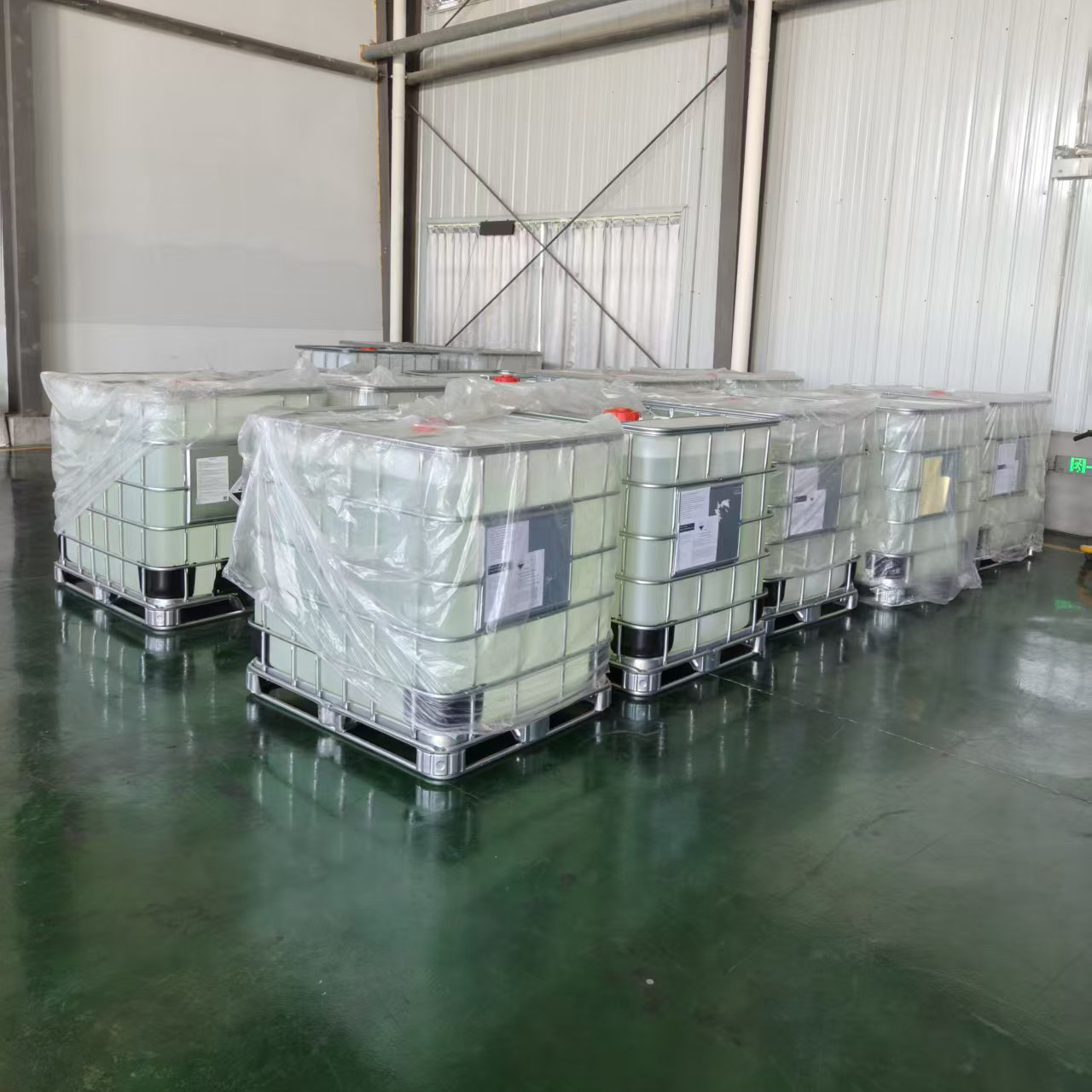
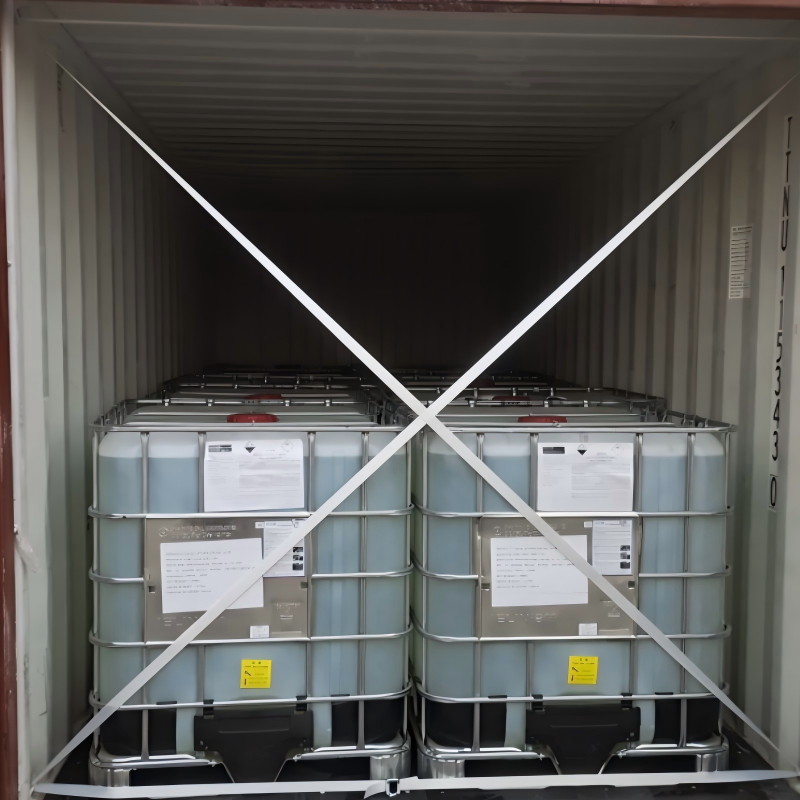
3-Mercaptoacetic acid is typically packaged in 1000 kg/drum or 1200 kg/drum.
Storage Requirements
Store in tightly sealed containers
Keep in a cool, dry, and well-ventilated area with temperature not exceeding 30°C
Keep away from ignition sources, heat, and direct sunlight
Store separately from oxidizers and alkalis
Use promptly after opening
Transportation Requirements
Transport in accordance with Class 8 hazardous chemical regulations
Protect from sun exposure and rain during transit
Handle with care to prevent packaging damage
Equip with spill response materials and appropriate containment supplies
Safety Precautions
Wear protective gloves and safety goggles during handling to avoid skin and eye contact. In case of skin contact, immediately rinse with plenty of water. In case of eye contact, lift eyelids and flush with flowing water or saline solution, and seek medical attention.
7. Purchasing Recommendations
When purchasing 3-mercaptoacetic acid, consider the following:
Define your application: Different applications have different purity and impurity requirements. PVC stabilizer synthesis requires attention to esterification activity; RAFT polymerization demands high purity; electroplating applications require low heavy metal impurity content.
Focus on purity specifications: Industrial grade typically has dry matter content ≥98%, while high purity grade ≥99%. Higher purity means fewer side reactions and more stable product quality.
Check color and clarity: Fresh 3-mercaptoacetic acid should be a colorless to pale yellow clear liquid. Darker color or cloudiness may indicate partial oxidation or moisture absorption.
Request a COA: Each batch should come with a complete certificate of analysis, including key parameters such as dry matter content, moisture, and color.
Evaluate supplier packaging and logistics capability: The sealing integrity of 3-mercaptoacetic acid packaging directly affects product quality upon arrival.
About Shenyang Xingzhenghe Chemical Co., Ltd.
Shenyang Xingzhenghe Chemical Co., Ltd. is an enterprise focused on the research, production, and sales of chemical products. The company's 3-mercaptoacetic acid products feature high purity and consistent quality, ensuring products maintain excellent condition throughout storage and transportation. Adhering to the business philosophy of "Quality Assurance, Service First," the company provides reliable products and professional technical support to customers across various application fields. For product details or sample requests, please contact us.
8. Frequently Asked Questions (FAQ)
Q1: What is the difference between 3-Mercaptoacetic acid and thioglycolic acid?
3-Mercaptoacetic acid has one additional methylene group compared to thioglycolic acid, which results in milder acidity, lower volatility, and less odor. In applications where reduced pungent smell or slower reaction rates are desired, 3-mercaptoacetic acid offers distinct advantages.
Q2: What role does 3-Mercaptoacetic acid play in PVC stabilizers?
Derivatives of 3-mercaptoacetic acid (such as mercaptopropionate esters) serve as core components in organotin heat stabilizers. They capture hydrogen chloride released during PVC processing, replace unstable chlorine atoms, and thereby delay thermal degradation — extending the service life of PVC products.
Q3: How should 3-Mercaptoacetic acid be stored?
Store in tightly sealed containers in a cool, dry, and well-ventilated area. Keep away from ignition sources, heat, and direct sunlight. Use promptly after opening.
Q4: What are the common packaging sizes for 3-Mercaptoacetic acid?
Common packaging is 1000 kg/drum or 1200 kg/drum.
 3-Mercaptoacetic Acid: Uses, P
 Application of 3-Mercaptopropi
3-Mercaptopropionic Acid: Perf
Application of 3-Mercaptopropi
3-Mercaptopropionic Acid: Perf
 Application Analysis of 3-Merc