


Application Analysis of 3-Mercaptopropionic Acid in Polycarboxylate Superplasticizer and PVC Stabilizer Applications
I. Product Overview
3-Mercaptopropionic acid (3-Mercaptopropionic acid, abbreviated as 3-MPA or MPA), with the chemical formula C3H6O2S and CAS No. 107-96-0, is an organic compound containing both a thiol group and a carboxyl group. At room temperature, it appears as a colorless to light yellow transparent liquid with a strong sulfide odor. Its molecular weight is 106.14, melting point is 16.8°C, boiling point is 111.5°C (under 2.0 kPa), and density is approximately 1.22 g/cm³. It is readily soluble in water and most organic solvents, including ethanol, benzene, toluene, diethyl ether, and chlorinated hydrocarbons.
The thiol group (-SH) in the molecular structure provides excellent chain transfer activity, while the carboxyl group (-COOH) imparts water solubility and reactive sites. The synergistic effect of these two functional groups enables its wide application in polycarboxylate superplasticizer synthesis, PVC heat stabilizers, and other fields.
II. Application in Polycarboxylate Superplasticizer Synthesis
Chain Transfer Agent Function
3-Mercaptopropionic acid is a widely used high-efficiency molecular chain transfer agent in the synthesis of polycarboxylate superplasticizers (PCE). In radical polymerization systems, 3-mercaptopropionic acid effectively controls the length of polymer molecular chains and molecular weight distribution through the chain transfer action of the thiol group, resulting in PCE products with appropriate molecular weight and structural regularity.
Impact on Product Performance
When introduced into the molecular structure of PCE as a chain transfer agent, the thiol segments participate in the polymerization and become part of the molecular structure, showing a relatively targeted effect. Proper use of 3-mercaptopropionic acid contributes to improving the overall performance of PCE masterbatch, enabling broader adaptability to various raw materials.
In the synthesis of crystal nucleus early-strength PCE, 3-mercaptopropionic acid is also used as a chain transfer agent. Studies have shown that using isopentenyl polyoxyethylene ether (TPEG2400), acrylic acid (AA), and other raw materials, with hydrogen peroxide/ascorbic acid as the initiator system and 3-mercaptopropionic acid as the chain transfer agent, yields a PCE with early-strength characteristics, facilitating early strength development in cement-based materials.
Additionally, 3-mercaptopropionic acid serves as a chain transfer agent in the synthesis of long-acting concrete slump-retaining agents, contributing to stable slump retention performance.
III. Application as a PVC Heat Stabilizer
3-Mercaptopropionic acid is primarily used as a stabilizer in polyvinyl chloride (PVC) processing. Its mechanism of action involves the thiol group reacting with the conjugated double bond structures formed by dehydrochlorination of PVC molecular chains, inhibiting further degradation and delaying the thermal aging process of PVC.
Similar to thioglycolic acid, 3-mercaptopropionic acid is suitable for stabilizing transparent PVC products, demonstrating good thermal stability. In PVC stabilizer systems, 3-mercaptopropionic acid also serves as an important raw material for the production of organotin heat stabilizers (such as ester tin).
IV. Physicochemical Properties and Safety Handling Guidelines
3-Mercaptopropionic acid has the characteristic odor of mercaptan compounds and may cause skin irritation, with possible dissolution of the stratum corneum upon contact. During handling, direct contact with skin and eyes should be avoided, and appropriate protective equipment is recommended. The product is weakly acidic; in case of skin or eye contact, rinse immediately with plenty of water. Some individuals may experience allergic reactions; seek medical attention if discomfort occurs.
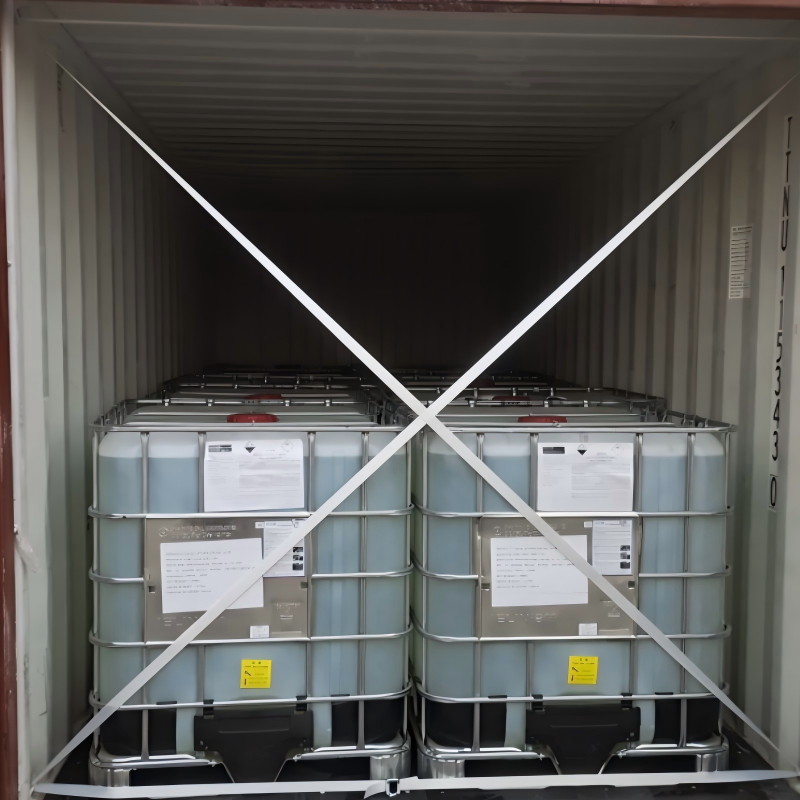
For storage, 3-mercaptopropionic acid should be kept in a cool, well-ventilated warehouse, away from ignition sources and heat. It should be stored separately from oxidizing agents, reducing agents, and alkaline substances, avoiding mixed storage. The standard packaging is IBC (Intermediate Bulk Container), facilitating warehouse management and logistics transportation, with flexible shipping arrangements available according to user requirements.
 Application Analysis of 3-Merc
 3-Mercaptopropionic Acid: A Ve
 A Guide to 3-Mercaptopropionic
 3-Mercaptopropionic Acid – A K