


Application of 3-Mercaptopropionic Acid in the Synthesis of Polycarboxylate Superplasticizers
1. Introduction
Polycarboxylate superplasticizers are widely used chemical admixtures in concrete engineering, known for their high water reduction rate, good slump retention, and strong adaptability to different cement types. In their synthesis process, molecular weight control is a key factor determining product performance. 3-Mercaptopropionic Acid, as a chain transfer agent, plays an important role in regulating polymer molecular weight during the free radical polymerization of polycarboxylate superplasticizers.
The molecular structure of 3-Mercaptopropionic Acid contains two reactive functional groups: a thiol group and a carboxyl group. The thiol group provides chain transfer functionality during polymerization, effectively controlling the molecular weight and its distribution, thereby influencing the dispersing performance, slump retention, and cement adaptability of the superplasticizer.
2. Mechanism of 3-Mercaptopropionic Acid in Polycarboxylate Superplasticizer Synthesis
2.1 Basic Function of Chain Transfer Agents
The synthesis of polycarboxylate superplasticizers typically employs free radical polymerization methods, using polyether macromonomers and acrylic acid as the main raw materials, with copolymerization initiated by an initiator system.
During free radical polymerization, the chain transfer agent terminates the growing polymer chain while forming new free radicals that reinitiate polymerization. This process effectively controls the polymer molecular weight, preventing excessively high molecular weight that could reduce the dispersing performance of the superplasticizer.
2.2 Chain Transfer Efficiency of 3-Mercaptopropionic Acid
Among commonly used chain transfer agents in polycarboxylate superplasticizer synthesis, the chain transfer efficiency ranks as follows: mercaptopropionic acid is higher than mercaptoacetic acid, which is higher than sodium hypophosphite, which is higher than sodium methallyl sulfonate. This characteristic gives 3-mercaptopropionic acid an advantage in synthesis processes requiring precise molecular weight control.
In polycarboxylate superplasticizer synthesis, the dosage of 3-mercaptopropionic acid is typically 0.2%–0.4% of the macromonomer mass, with the specific dosage determined through trials based on conditions such as acid-ether ratio and reaction temperature.
3. Process Applications of 3-Mercaptopropionic Acid in Polycarboxylate Superplasticizer Synthesis
3.1 Raw Material Systems
3-Mercaptopropionic Acid can be used with various polyether macromonomers, including:
Isoprenol Polyoxyethylene Ether: Copolymerized with acrylic acid using a hydrogen peroxide-reducing agent redox initiation system, with 3-mercaptopropionic acid as the chain transfer agent, to synthesize high water-reducing type polycarboxylate superplasticizers
Ethylene Glycol Monovinyl Polyethylene Glycol Ether: Using 3-mercaptopropionic acid as the chain transfer agent and a hydrogen peroxide-ascorbic acid initiation system to synthesize slow-release type polycarboxylate superplasticizers
Novel Polyoxyethylene Ether Macromonomers: Using a hydrogen peroxide-ascorbic acid initiation system with 3-mercaptopropionic acid as the chain transfer agent to synthesize slump-retaining type polycarboxylate superplasticizers
3.2 Typical Synthesis Process Parameters
Several studies have provided references for process parameters using 3-mercaptopropionic acid in polycarboxylate superplasticizer synthesis:
High Water-Reducing Type Polycarboxylate Superplasticizer:
Acid-ether ratio approximately 4.0:1.0
3-Mercaptopropionic Acid dosage at 0.2% of macromonomer mass
Oxidizer to reducer mass ratio of 3:1
Dropping at room temperature for 2 hours, holding for 1.5 hours
Slow-Release/Slump-Retaining Type Polycarboxylate Superplasticizer:
Acid-ether ratio of 3.0–3.8
3-Mercaptopropionic Acid dosage at 0.36%–0.4% of macromonomer mass
Ester monomers may be added to enhance slump retention
Viscosity-Reducing Type Polycarboxylate Superplasticizer:
Acid-ether ratio of 3.6
3-Mercaptopropionic Acid dosage at 0.4% of macromonomer mass
Reaction temperature of 10–15 degrees Celsius
3.3 Effect of Temperature on Chain Transfer Efficiency
Within the temperature range of 20 to 60 degrees Celsius, 3-mercaptopropionic acid can serve as a chain transfer agent for preparing polycarboxylate superplasticizers. Chain transfer efficiency varies at different temperatures, so actual production requires adjusting the chain transfer agent dosage based on process temperature.
4. Effect of 3-Mercaptopropionic Acid Dosage on Superplasticizer Performance
4.1 Effect on Dispersing Performance
The dosage of 3-mercaptopropionic acid directly affects the molecular weight of the polycarboxylate superplasticizer, which in turn influences its dispersing performance. When the chain transfer agent dosage is too low, the polymer molecular weight becomes excessively large, which may affect the adsorption capacity of the superplasticizer on cement particle surfaces. When the dosage is too high, the molecular weight becomes too small, potentially reducing the water-reducing effect.
As the acid-ether ratio increases, the optimal chain transfer agent dosage also increases accordingly. In actual formulation design, the chain transfer agent dosage should be optimized based on monomer ratios and reaction conditions.
4.2 Effect on Slump Retention
By adjusting the dosage of 3-mercaptopropionic acid and the ratio with other monomers, the slump retention performance of the superplasticizer can be regulated. In the synthesis of slow-release polycarboxylate superplasticizers, the chain transfer agent dosage and the proportion of ester monomers together influence the fluidity retention of cement paste.
4.3 Comparison with Other Chain Transfer Agents
Compared with mercaptoacetic acid, 3-mercaptopropionic acid has higher chain transfer efficiency and can be used across a broader temperature range. Compared with sodium hypophosphite, 3-mercaptopropionic acid can still effectively exert its chain transfer function at lower temperatures.
5. Usage Recommendations and Considerations
5.1 Dosage Control
The recommended dosage of 3-mercaptopropionic acid is typically 0.2%–0.5% of the macromonomer mass. The specific dosage should be determined through trials based on acid-ether ratio, reaction temperature, and product performance requirements. Too low a dosage may fail to effectively control molecular weight, while too high a dosage may lead to reduced conversion rates or increased production costs.
5.2 Reaction Condition Matching
Temperature: 3-Mercaptopropionic Acid can be used across a range from room temperature to 60 degrees Celsius, with chain transfer efficiency varying at different temperatures
Acid-Ether Ratio: As the acid-ether ratio increases, the chain transfer agent dosage can be correspondingly increased
Initiation System: Can be used with redox initiation systems such as hydrogen peroxide-ascorbic acid and ammonium persulfate-vitamin C
5.3 Product Purity Requirements
3-Mercaptopropionic Acid used for polycarboxylate superplasticizer synthesis should be industrial grade, with content typically not less than 98.5% and color not exceeding 20 Hazen. High impurity content may affect the controllability of the polymerization reaction and product performance consistency.
6. How to Choose 3-Mercaptopropionic Acid for Superplasticizer Synthesis?
When selecting 3-mercaptopropionic acid for polycarboxylate superplasticizer synthesis, consider the following aspects:
1. Content
Industrial grade products typically have content not less than 98.5%. Suppliers should be asked to provide gas chromatography test reports.
2. Color
Color is a direct indicator of product purity. Products with color not exceeding 20 Hazen are of better quality.
3. Packaging and Transportation
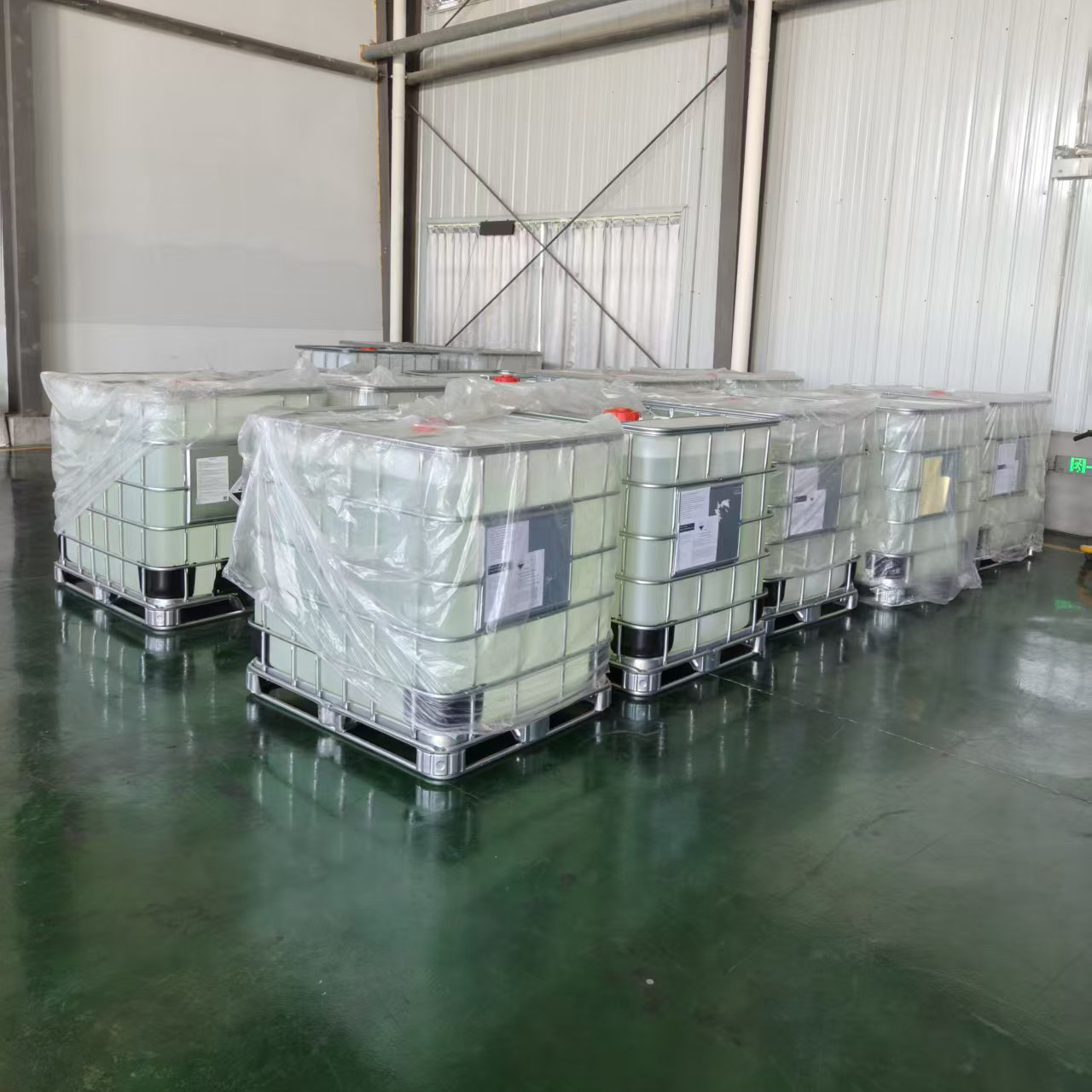
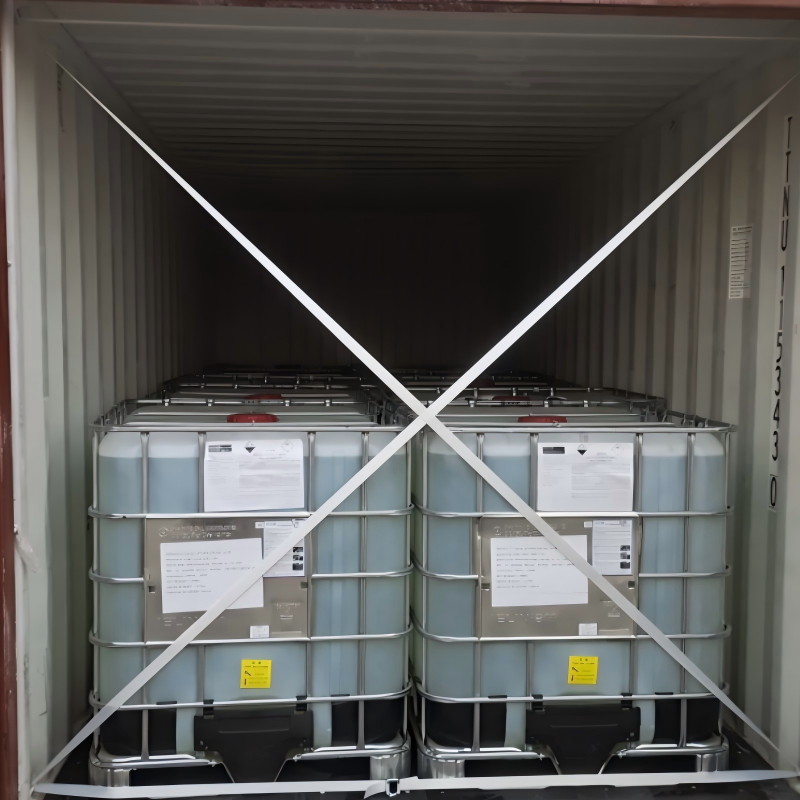
The product is typically packaged in 1000 kg per IBC drum or 1200 kg per IBC drum. Transportation of hazardous chemicals must comply with applicable regulatory requirements.
4. Supplier Qualifications
Choose suppliers that can provide product test reports, stable supply capability, and safety data sheets.
7. About Shenyang Xingzhenghe Chemical
Shenyang Xingzhenghe Chemical Co., Ltd. (www.xzhch.com) is a supplier specializing in concrete admixtures and construction chemical raw materials, established in 2009. The company's product range includes 3-mercaptopropionic acid, polycarboxylate superplasticizers, sodium gluconate, and lignosulfonate series.
The company has experience in the supply of 3-mercaptopropionic acid products, serving applications including polycarboxylate superplasticizer synthesis and industrial intermediates.
8. Conclusion
3-Mercaptopropionic Acid, as a chain transfer agent in the synthesis of polycarboxylate superplasticizers, influences the dispersing performance, slump retention, and cement adaptability of the superplasticizer by controlling polymer molecular weight. Appropriate dosage and matching of process conditions are key to realizing its effectiveness. When selecting 3-mercaptopropionic acid products, factors such as content specifications, color, packaging, and supplier capabilities may be considered.
Contact Us:
Company: Shenyang Xingzhenghe Chemical Co., Ltd.
Website: www.xzhch.com
Phone: +86 13889850231
Email: sales01@xzhch.com
Address: No. 33, Nan'er Road, Heping District, Shenyang, China
Application of 3-Mercaptopropi
 3-Mercaptopropionic Acid: Perf
 Application Analysis of 3-Merc
 3-Mercaptopropionic Acid: A Ve