

3-Mercaptopropionic Acid Product Introduction
1. Product Overview
3-Mercaptopropionic acid, also known as β-mercaptopropionic acid or 3-thiopropionic acid, is an organic compound containing both a mercapto group (-SH) and a carboxyl group (-COOH). Its molecular formula is C₃H₆O₂S, with a molecular weight of 106.14.
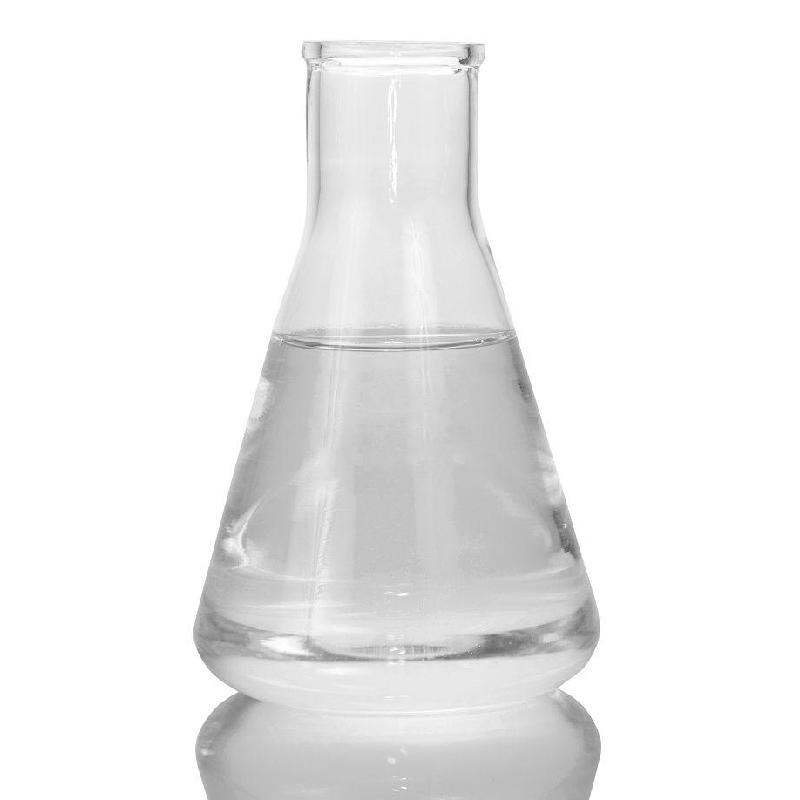
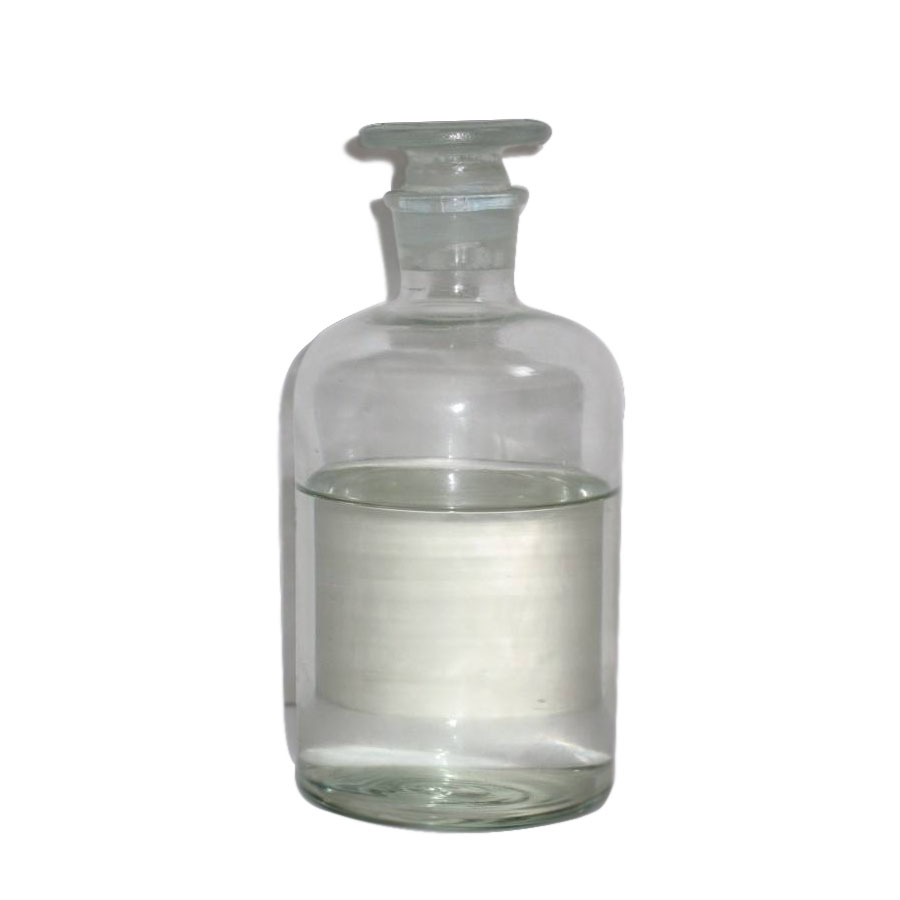
At room temperature, 3-mercaptopropionic acid appears as a colorless to pale yellow transparent liquid with a strong sulfide odor. It is readily soluble in water and miscible with many organic solvents, including ethanol, benzene, toluene, diethyl ether, and chlorinated hydrocarbons.
CAS No.: 107-96-0
EINECS No.: 203-537-0
Packaging: IBC tank
2. Physical and Chemical Properties
| Property | Description |
|---|---|
| Appearance | Transparent liquid with strong sulfide odor |
| Melting Point | 16.8°C |
| Solubility | Soluble in water, miscible with most organic solvents |
| Stability | Stable under normal conditions, possesses reducing properties |
The mercapto group in 3-mercaptopropionic acid is reactive and can form stable complexes with metal ions. The carboxyl group gives it acidic properties, allowing it to undergo neutralization reactions with bases. During storage and use, contact with strong oxidizing agents and strong bases should be avoided.
3. Main Applications
Polycarboxylate Superplasticizer Synthesis
3-Mercaptopropionic acid is used as a chain transfer agent in the synthesis of polycarboxylate superplasticizers. During the free radical polymerization process, it helps control polymer chain length, resulting in a more uniform molecular weight distribution and ensuring consistent superplasticizer performance.
Polycarboxylate superplasticizers are important components of high-performance concrete, widely used in infrastructure projects such as high-speed railways, bridges, and high-rise buildings. As a key additive, 3-mercaptopropionic acid plays an important role in controlling dispersion properties and slump retention.
PVC Stabilizer
3-Mercaptopropionic acid is used as a stabilizer for polyvinyl chloride (PVC). It provides good thermal stability and is particularly suitable for the production of transparent PVC products, helping to extend their service life.
Other Applications
Rubber Additives: Can be used as a vulcanization accelerator in rubber processing
Metal Surface Treatment: Forms stable complexes with metal ions, making it useful in metal surface treatment applications
Nanomaterial Preparation: Used as a ligand for synthesizing stable metal nanoparticles or quantum dots
Adhesives and Coatings: Can serve as a crosslinking agent or accelerator in surface coating and adhesive formulations
Analytical Chemistry: Used as a derivatization reagent in analytical applications
Antioxidants and Catalysts: Plays a role in various chemical reactions
4. Production Method
3-Mercaptopropionic acid is typically synthesized using acrylonitrile and thiourea as raw materials. The process involves reacting thiourea with hydrochloric acid, adding acrylonitrile dropwise, heating for several hours, followed by alkalization, neutralization, extraction, and distillation to obtain the final product.
In recent years, continuous synthesis processes have been developed for industrial production, improving yield and product purity.
5. Packaging and Storage
Packaging Specifications
3-Mercaptopropionic acid is typically packaged in IBC tanks. Containers must be sealed properly to prevent leakage and contamination.
Storage Conditions
Store in a cool, well-ventilated warehouse at temperatures below 25°C
Keep away from sources of ignition and heat; avoid direct sunlight
Store separately from oxidizing agents, reducing agents, and bases
Ensure spill containment equipment is available in the storage area
Transportation Requirements
IBC tanks should be securely positioned during transport to prevent tipping or impact
Do not transport with acids or oxidizing agents
Protect from rain, sunlight, and high temperatures
6. Safety Information
Hazards
3-Mercaptopropionic acid is classified as a hazardous chemical with the following properties:
Combustible; vapors may form explosive mixtures with air
Toxic if swallowed
Causes severe skin burns and eye damage
Hazard Symbols: GHS05, GHS06
Hazard Statements: H301 (Toxic if swallowed), H314 (Causes severe skin burns and eye damage)
Protective Measures
Wear protective gloves, safety goggles, and appropriate protective clothing during handling
Ensure good ventilation in the work area
Avoid direct contact with skin and eyes
In case of contact, rinse immediately with plenty of water and seek medical attention if necessary
Spill Response
In the event of a spill, evacuate non-essential personnel and isolate the area. Wear appropriate protective equipment. Use sand or other non-combustible material to absorb the spill, then collect for proper disposal.
 3-Mercaptopropionic Acid: A Ve
 A Guide to 3-Mercaptopropionic
 A Guide to 3-Mercaptopropionic
A Guide to 3-Mercaptopropionic
A Guide to 3-Mercaptopropionic