

A Guide to 3-Mercaptopropionic Acid (3-MPA) in Polycarboxylate Superplasticizer Production
In the production of high-performance polycarboxylate superplasticizers (PCE), achieving the right molecular structure is a balance of chemistry and timing.
3-Mercaptopropionic Acid (3-MPA) serves as a functional raw material in this synthesis process. Acting primarily as a chain transfer agent, it helps manufacturers manage polymer growth and ensure batch-to-batch consistency for concrete admixtures.
1. The Role of 3-MPA in Polymer Synthesis
During the polymerization of PCE, monomer chains link together rapidly. If left unchecked, these chains can grow too long, leading to high viscosity, poor water reduction, and unstable performance in the final concrete mix.
3-MPA works by regulating this growth. It terminates a growing polymer chain at the appropriate length while initiating a new one. This regulation ensures a uniform molecular weight distribution. For concrete admixtures, a well-controlled molecular weight means predictable water reduction and reliable flowability on the job site.
2. Primary Applications and Performance Impact
While its main volume goes into concrete chemicals, 3-MPA supports several distinct industrial applications:
Polycarboxylate Superplasticizers (PCE)
In construction chemicals, 3-MPA is a standard choice for high-slump-retaining PCE types. It helps maintain the workability of concrete over extended transport times, preventing premature drying and hardening during summer or long-distance hauling.
Pharmaceutical and Agrochemical Synthesis
Beyond construction, the chemical structure of 3-MPA makes it a building block for organic synthesis. It is used as an intermediate in the production of specific pharmaceuticals, such as antihypertensive medications, as well as certain agricultural chemicals.
PVC Stabilizers and Electronics
3-MPA is also utilized in the production of heat stabilizers for PVC plastics, helping prevent degradation during thermal processing. Additionally, it finds use in electronics chemicals as a surface modifier in plating and coating applications.
3. Key Technical Specifications for Selection
When selecting 3-MPA for industrial production, sourcing managers and technical teams generally focus on the following parameters:
Purity (GC): High-grade industrial 3-MPA typically maintains a purity of 99.0% or higher. High purity reduces secondary reactions and ensures predictable performance during polymerization.
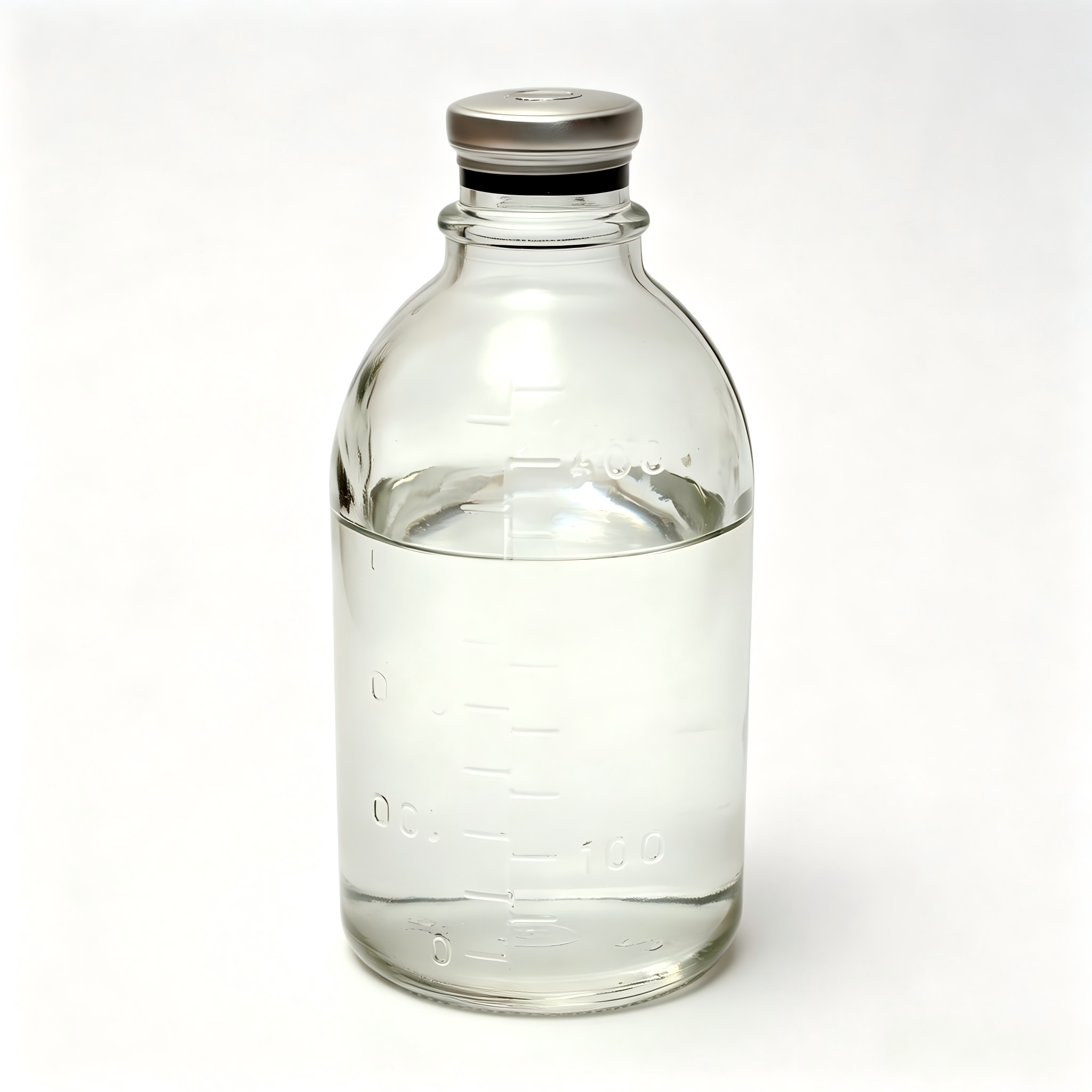
Color (APHA): Quality 3-MPA is a clear, colorless liquid. A yellowish tint or turbidity often indicates the presence of impurities or degradation products, which can affect the final PCE color.
Moisture Content: Low water content is necessary to prevent interference with water-sensitive chemical formulations during synthesis.
4. Quality Control and Supply Standards
We focus on delivering consistent chemical raw materials to support continuous industrial manufacturing:
Batch Uniformity:Our production processes utilize automated monitoring to control reaction temperatures and distillation, keeping impurities within tight standard limits. This ensures that your PCE formulation parameters do not require frequent adjustments from batch to batch.
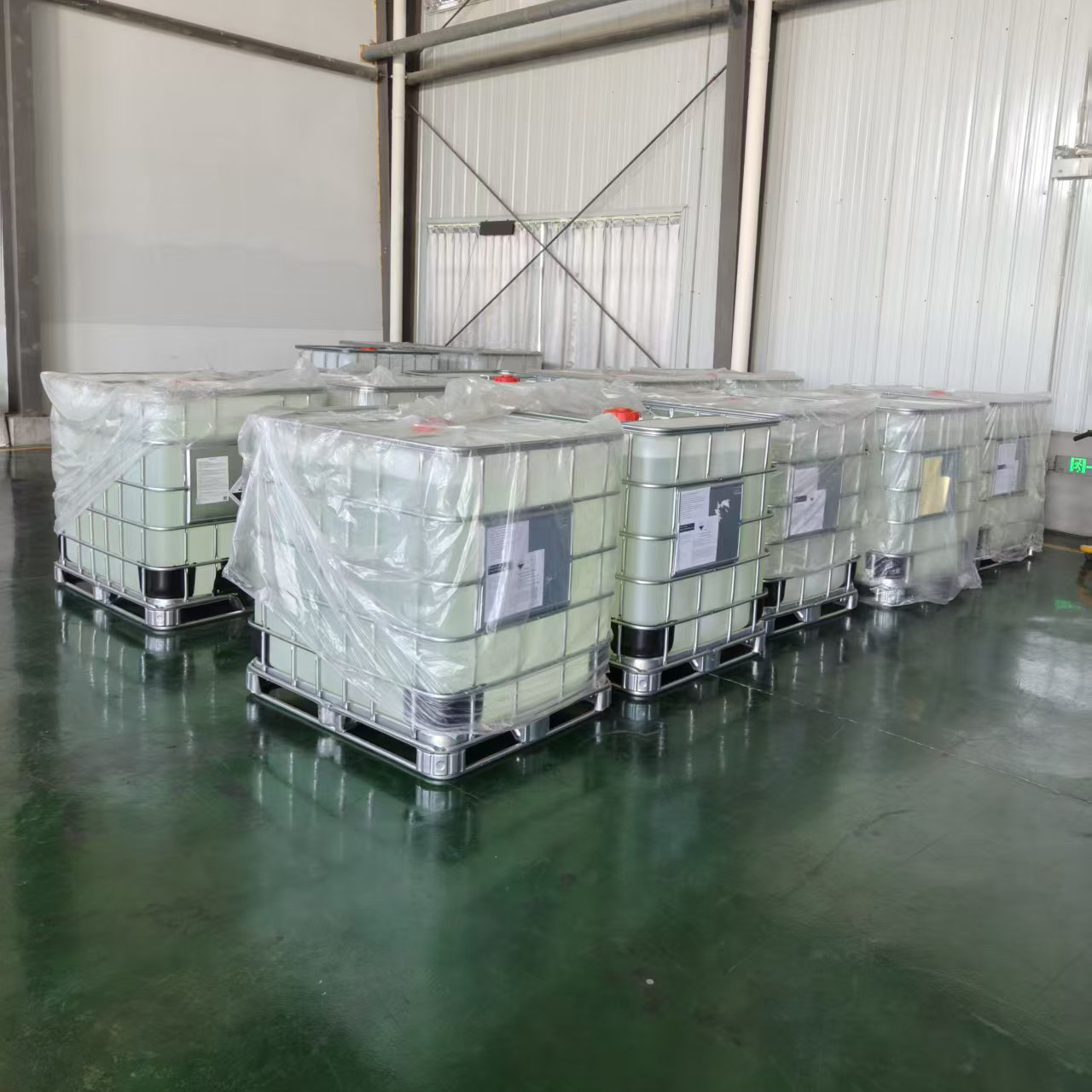
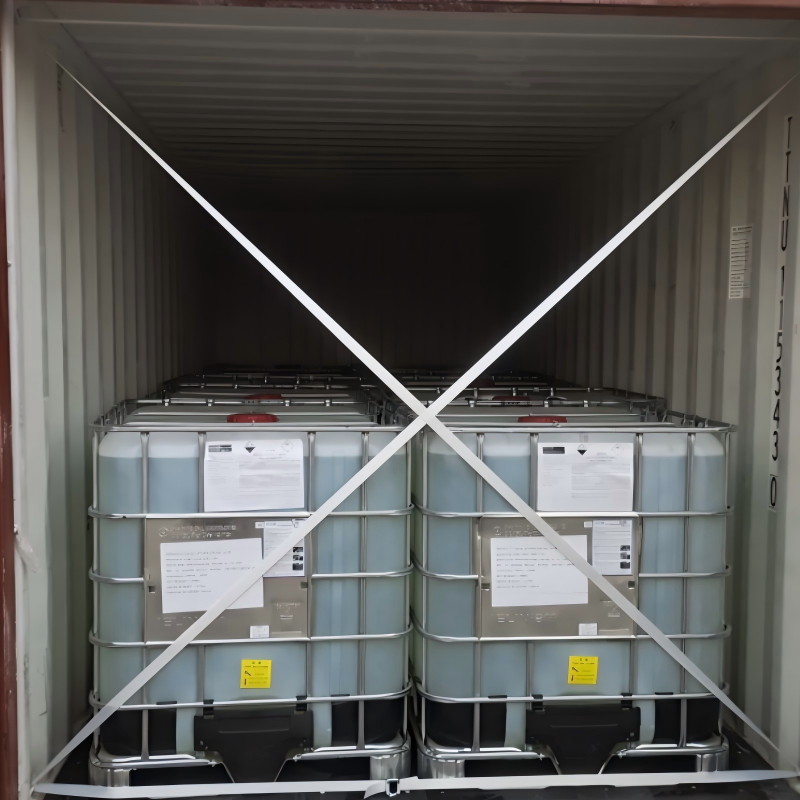
Secure Packaging:Because 3-MPA carries a characteristic sulfur odor, secure containment is essential. We ship our products in heavy-duty, tightly sealed plastic drums to prevent leakage, moisture absorption, and odor escape during international transit.
Technical Reference Data:Every shipment is accompanied by a standard Certificate of Analysis (COA). If you experience issues with viscosity or molecular weight distribution in your test batches, our technical support can provide reference data regarding dosage and reaction timing.
5. Frequently Asked Questions (Q&A)
Q1: How does the odor of 3-MPA affect its handling, and can it be minimized?
A: 3-MPA contains a thiol group, which naturally gives it a distinct sulfur aroma. While the smell cannot be entirely removed due to its chemical nature, choosing a product with high purity (99%+) minimizes volatile byproducts, making the odor more manageable. Proper ventilation and sealed feeding systems are standard recommendations for the factory floor.
Q2: Can 3-MPA be used in combination with other chain transfer agents?
A: Yes. Some manufacturers use 3-MPA alongside other mercaptans to adjust the cost or properties of the polymer. However, 3-MPA remains popular because of its high transfer efficiency and its ability to improve the water-reduction ratio of the resulting PCE.
Q3: What are the storage requirements for 3-MPA?
A: It should be stored in a cool, dry, and well-ventilated warehouse, away from direct sunlight and heat sources. Because it is an acidic liquid, it must be kept separate from strong oxidizers and alkalis. Always ensure the containers are tightly resealed after opening.
6. Conclusion and Technical Support
A reliable PCE formulation depends on the stability of its components. 3-MPA plays a specific, critical role in defining the final properties of concrete admixtures, affecting everything from water reduction to slump retention.
We supply standard industrial-grade 3-MPA backed by consistent quality control. For Technical Data Sheets (TDS), Safety Data Sheets (SDS), or to request product samples for laboratory evaluation, please contact our team.
 3-Mercaptoacetic Acid: Uses, P
 Application of 3-Mercaptopropi
3-Mercaptopropionic Acid: Perf
Application of 3-Mercaptopropi
3-Mercaptopropionic Acid: Perf
 Application Analysis of 3-Merc