

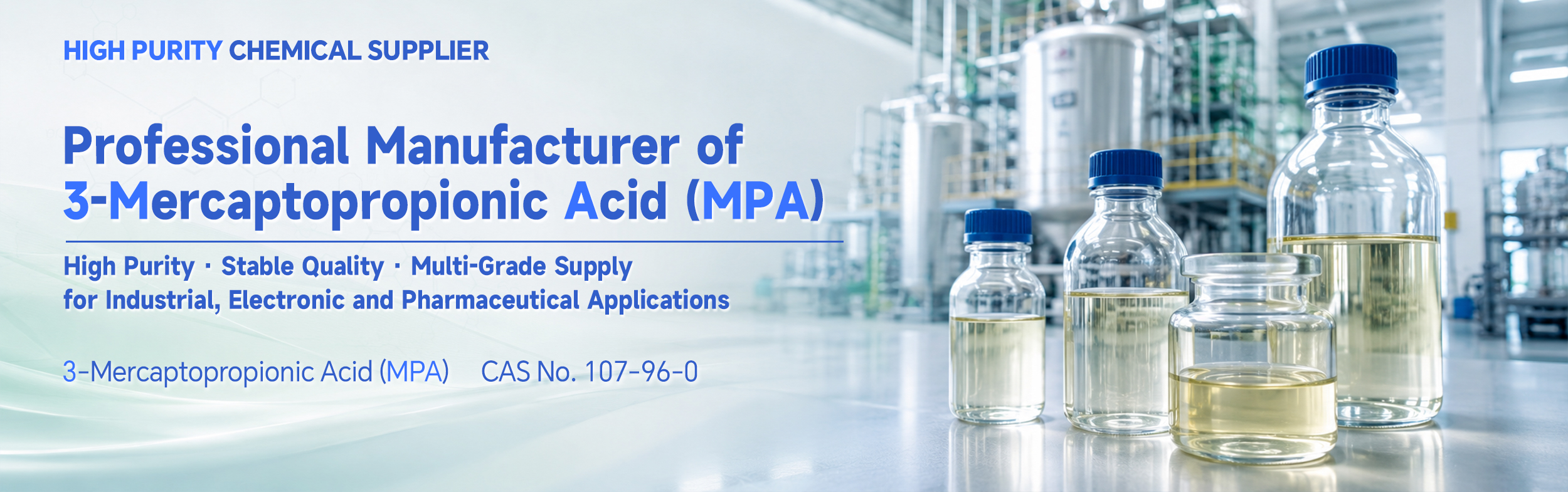
3-Mercaptopropionic Acid: A Versatile Sulfur-Based Fine Chemical
In the field of fine chemicals, there is a compound with a small molecular weight that serves multiple roles across different industries. That compound is mercaptopropionic acid — a sulfur-containing molecule with a molecular weight of just 106, featuring two reactive groups that give it a wide range of applications.
What Is It?
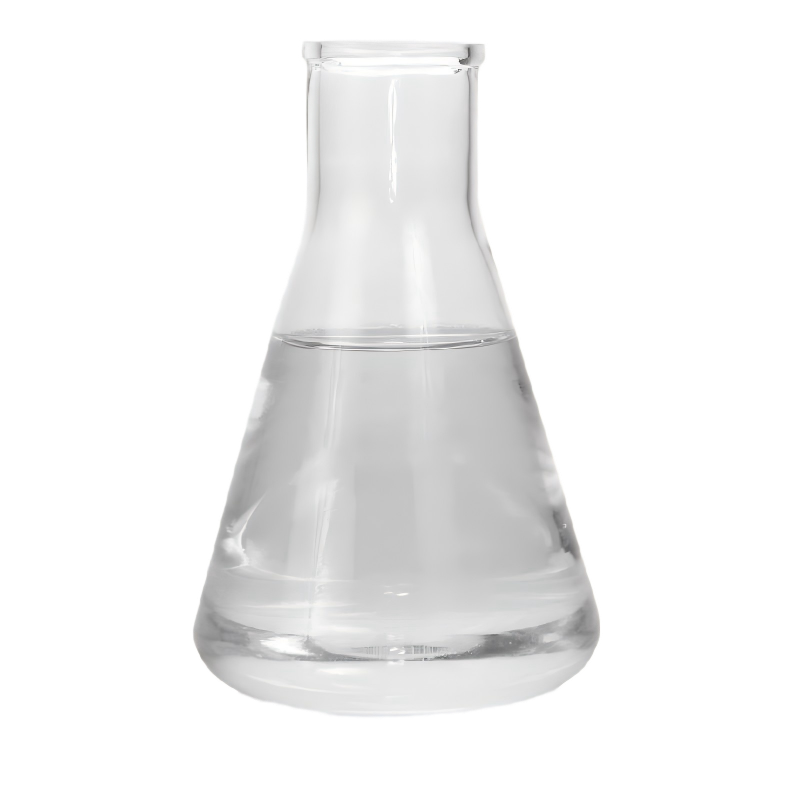
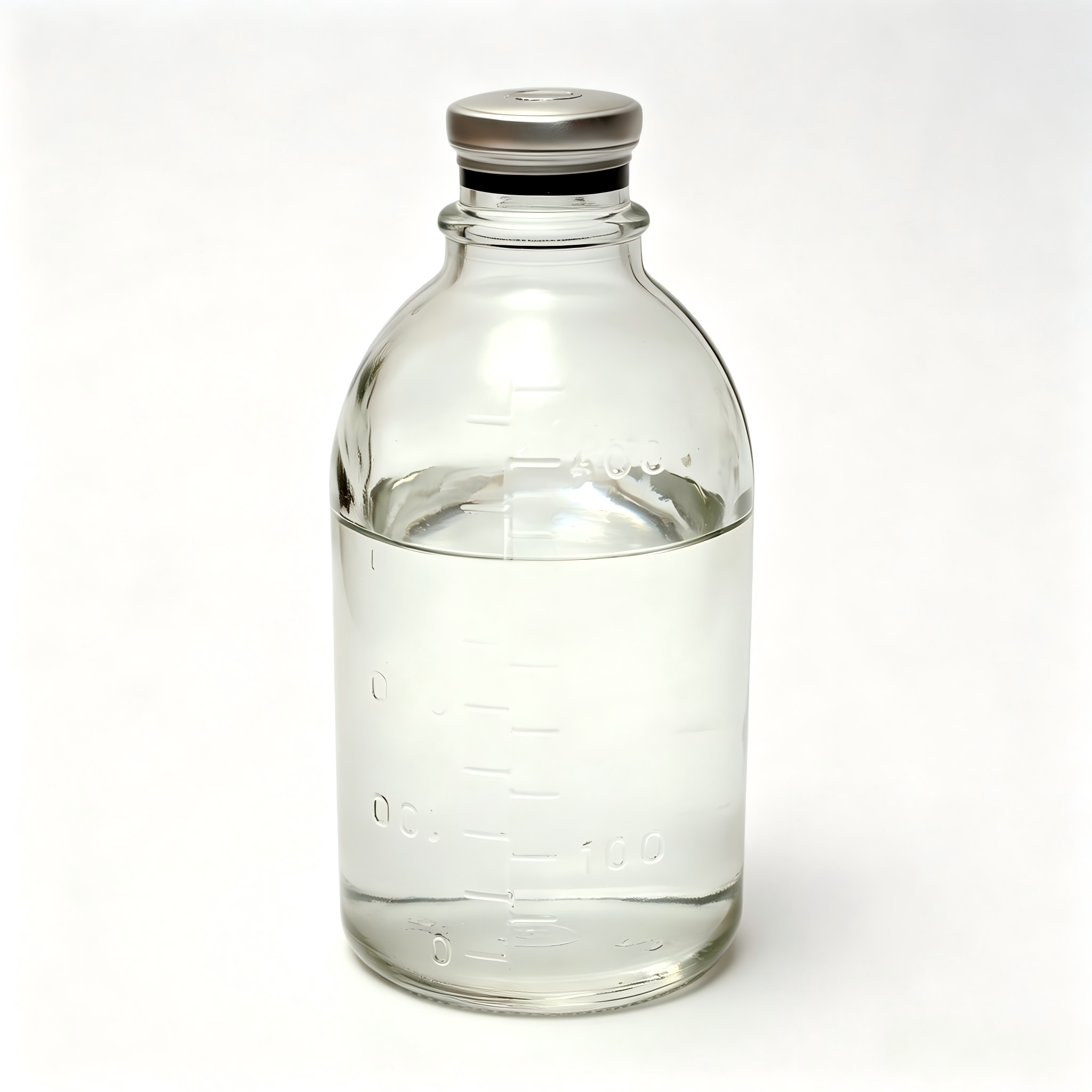
Mercaptopropionic acid (3-Mercaptopropionic acid, abbreviated as 3-MPA), has the chemical formula C₃H₆O₂S and CAS number 107-96-0. At room temperature, it appears as a colorless to pale yellow transparent liquid with a characteristic odor of sulfur-containing compounds.
Its molecular structure has a distinctive feature: a thiol group (-SH) at one end and a carboxyl group (-COOH) at the other. These two groups provide dual reactivity — the thiol group readily participates in addition and oxidation reactions, while the carboxyl group exhibits typical acidic reaction behavior. This combination makes it a useful intermediate in organic synthesis.
Key Physicochemical Parameters:
Molecular weight: 106.14
Melting point: 16.8°C
Boiling point: 111.5°C (at 2.0 kPa)
Flash point: 93.9°C
Solubility: Readily soluble in water and most organic solvents (ethanol, benzene, toluene, etc.)
Where Is It Used?
Mercaptopropionic acid has a broad range of applications across several sectors:
First, PVC heat stabilizers.
Mercaptopropionic acid is used in the production of thiol antimony heat stabilizers for PVC. These stabilizers are particularly suitable for processing transparent products and offer good thermal stability, performing favorably in certain applications compared to traditional stabilizers. In simple terms, PVC tends to degrade when heated during processing, and stabilizers derived from mercaptopropionic acid help slow this degradation, making the final products more durable.
Second, chain transfer agents for polycarboxylate superplasticizers.
During the polymerization of polycarboxylate superplasticizers, mercaptopropionic acid acts as a chain transfer agent, helping to control polymer molecular weight and product performance. This is one of its major applications in the concrete admixture industry.
Third, optical materials.
When esterified with pentaerythritol, mercaptopropionic acid produces polythiourethane — a polymer with a high refractive index that is lightweight and easy to process. This material is used in applications such as high-refractive-index resin lenses. As demand for high-refractive-index lenses grows, this application has gained attention.
Fourth, biochemical and environmental applications.
In laboratory research, mercaptopropionic acid is often used as a stabilizer for water-soluble quantum dots in fluorescence probes and biological detection. Additionally, chitosan materials modified with mercaptopropionic acid have demonstrated adsorption capacity for mercury ions in water, showing potential for use in wastewater treatment research.
Safety Guidelines
Mercaptopropionic acid is classified as a toxic and corrosive chemical and should be handled with care.
Primary hazards:
Toxic if swallowed or inhaled
Causes severe skin burns and eye damage
Combustible liquid; may corrode metals
Safe handling practices:
Use in well-ventilated areas to avoid inhaling vapors
Wear protective gloves, goggles, and protective clothing
If skin or eye contact occurs, rinse immediately with plenty of water for at least 15 minutes and seek medical attention
Storage precautions:
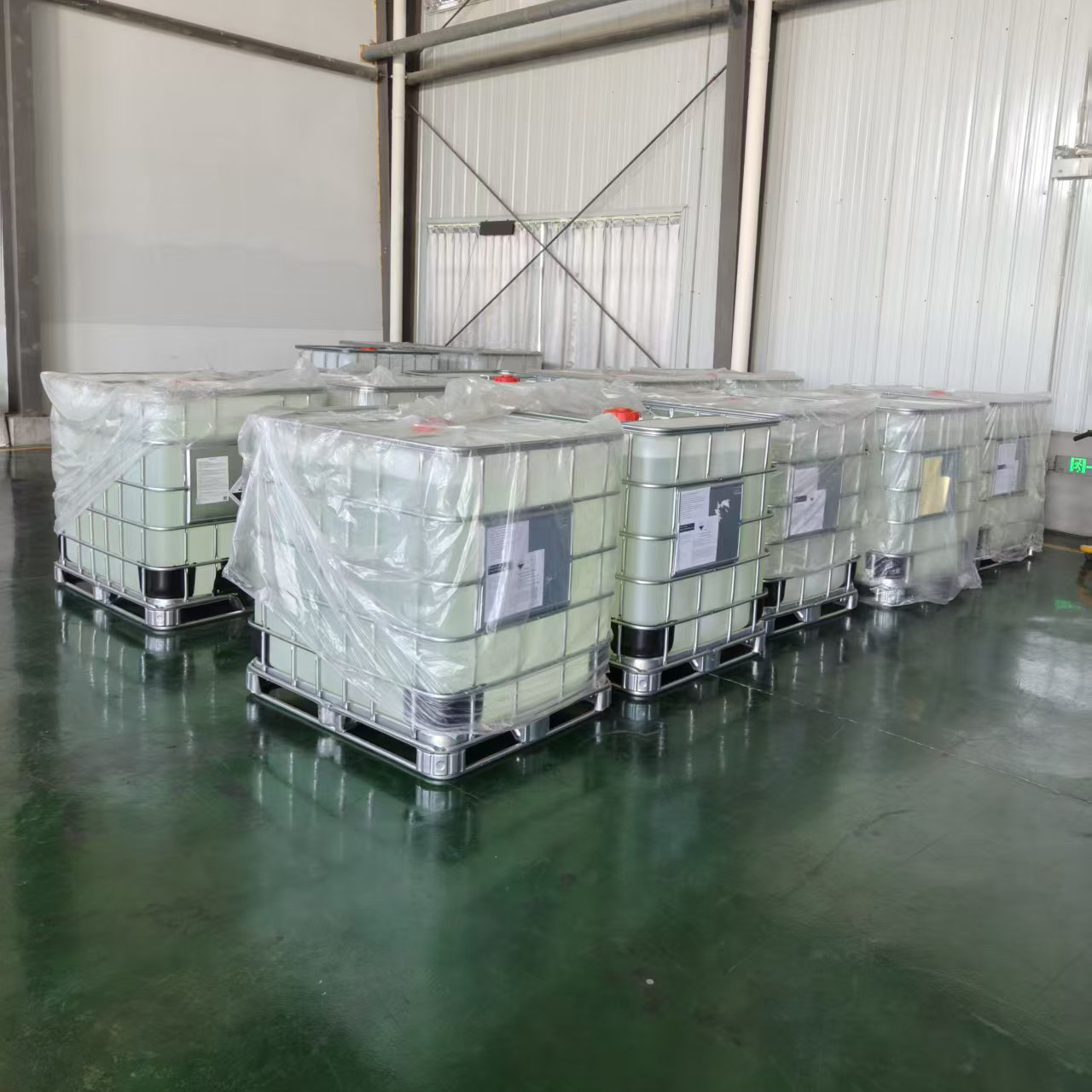
Store in a cool, dry, well-ventilated area
Keep away from heat, ignition sources, and oxidizing agents
Keep containers tightly sealed; avoid mixing with alkaline substances
Summary
Mercaptopropionic acid is a typical example of a "small molecule, large utility" fine chemical. With its dual reactivity from thiol and carboxyl groups, it serves multiple roles in PVC stabilizers, polycarboxylate superplasticizers, optical resins, and beyond. For companies in related industries, understanding the basic properties and applications of this raw material can help identify suitable options for product development and formulation optimization.
 Chain Transfer Agent Selection
 3-Mercaptoacetic Acid: Uses, P
 Application of 3-Mercaptopropi
3-Mercaptopropionic Acid: Perf
Application of 3-Mercaptopropi
3-Mercaptopropionic Acid: Perf