


3-Mercaptopropionic Acid – A Key Functional Intermediate in Fine Chemicals
I. Introduction
3-Mercaptopropionic acid (3-MPA) is a small molecule compound containing both a thiol group (-SH) and a carboxyl group (-COOH). This unique dual-functional structure gives it both the reactivity characteristic of thiols and the coordination capability of carboxylic acids, making it an important fine chemical intermediate.
While MPA may not be widely known outside the chemical industry, it plays an essential role in polycarboxylate superplasticizer production, polymer modification, metal surface treatment, and various other industrial fields. This article focuses on the primary applications of 3-mercaptopropionic acid and its functional characteristics.
II. Basic Product Characteristics
3-Mercaptopropionic acid (MPA) has the molecular formula C₃H₆O₂S and a molecular weight of approximately 106.14 g/mol. It appears as a colorless to pale yellow transparent liquid or crystalline solid with a characteristic thiol odor.
Key physical properties:
Boiling point: Approximately 110-111°C under specific pressure conditions
Solubility: Readily soluble in water, ethanol, ether, and other polar solvents
Functional group characteristics: The thiol group exhibits high reactivity, readily participating in oxidation, addition, and substitution reactions; the carboxyl group can participate in esterification, amidation, and other reactions
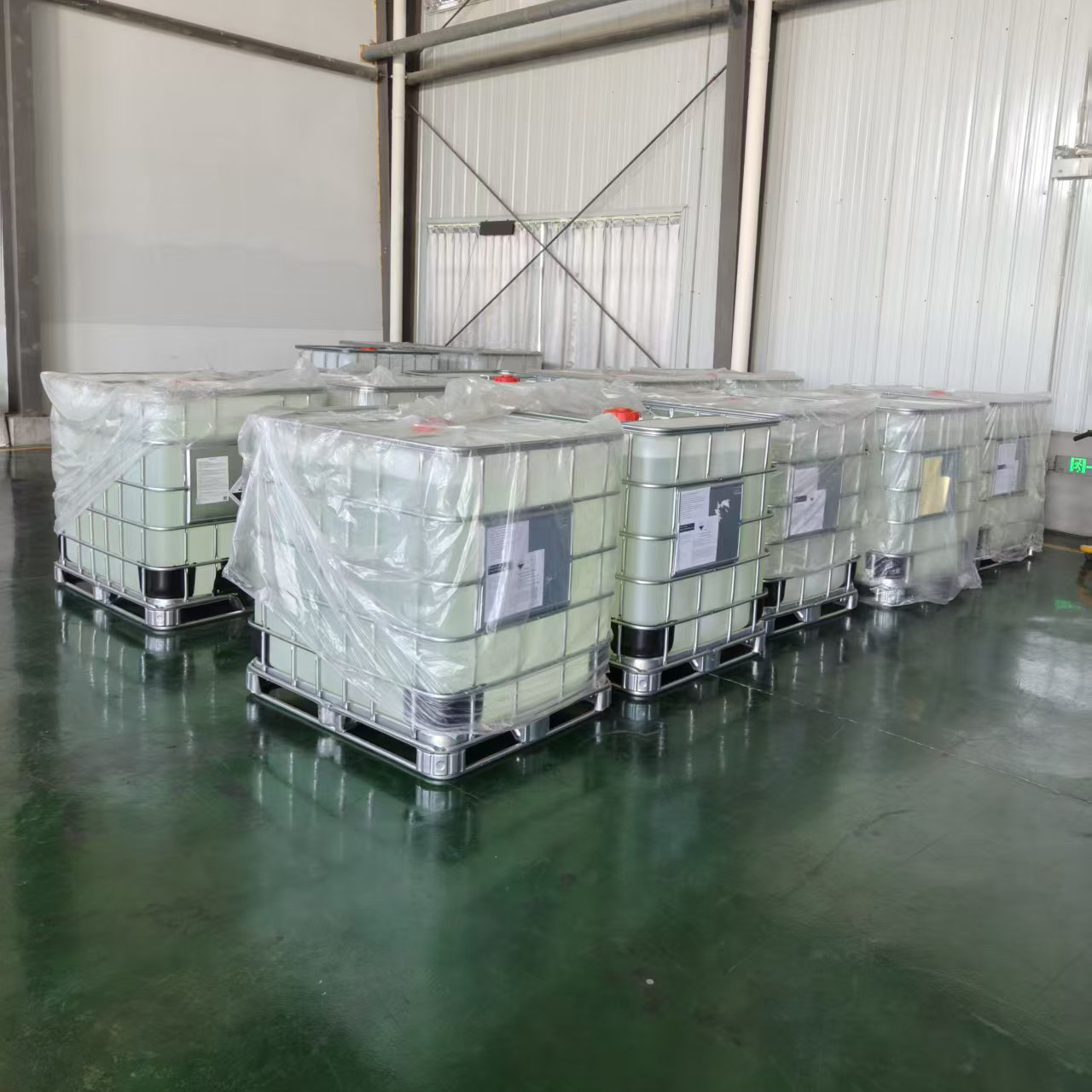
III. Main Application Areas
1. Chain Transfer Agent in Polycarboxylate Superplasticizer Production
In the synthesis of polycarboxylate superplasticizers, 3-mercaptopropionic acid is one of the most commonly used chain transfer agents.
The performance of polycarboxylate superplasticizers largely depends on their molecular weight and molecular weight distribution. MPA functions through its thiol group during free radical polymerization, effectively regulating polymer chain length and controlling molecular weight within the appropriate range.
Mechanism of action:
During polymerization, the thiol group of MPA participates in chain transfer reactions with active free radicals
By adjusting the amount of MPA, molecular weight can be precisely controlled
Appropriate molecular weight helps balance the dispersing performance and slump retention of the superplasticizer
Application advantages:
High chain transfer efficiency with low dosage requirements
Wide molecular weight control range for easy process adjustment
Relatively narrow molecular weight distribution in the resulting polymer for stable product performance
In polycarboxylate superplasticizer production, MPA dosage typically ranges from 0.2% to 1.5% of total monomer weight, depending on the target molecular weight and polymerization process conditions. The dosage is for reference only; actual dosage should be determined through experimentation.
2. Polymer Material Modification
In the field of polymer materials, 3-mercaptopropionic acid is used for polymer modification and functionalization.
End-group functionalization: When used as a chain transfer agent, MPA can introduce carboxyl functional groups at polymer chain ends, providing reactive sites for subsequent functional modification.
Crosslinking agent applications: The dual-functional nature of MPA makes it suitable as a crosslinking or chain extension agent, participating in the construction of polymer network structures.
Resin modification: In epoxy resin, polyurethane, and other material systems, MPA can be used to improve flexibility, adhesion, and other properties.
3. Metal Surface Treatment
In metal surface treatment, 3-mercaptopropionic acid can function as a corrosion inhibitor and metal surface modifier.
The thiol group has strong affinity for metal surfaces and can form self-assembled monolayers that provide protective effects. This characteristic makes MPA suitable for:
Metal corrosion protection
Metal surface functional modification
Metal interface treatment in electronic materials
4. Organic Synthesis Intermediate
As a dual-functional compound, 3-mercaptopropionic acid serves as a versatile synthetic building block in organic synthesis.
Through chemical transformation of either the thiol or carboxyl group, various derivatives can be prepared:
Ester derivatives: Prepared by esterification with alcohols, used in photocurable materials, resin modification, and related applications
Amide derivatives: Prepared by reaction with amines
Thioether compounds: Prepared by alkylation of the thiol group
These derivatives find further applications in coatings, adhesives, electronic chemicals, and other fields.
5. Analytical Chemistry Reagent
In analytical chemistry, 3-mercaptopropionic acid can be used as a metal ion complexing agent and chromatographic derivatization reagent.
Metal ion complexation: MPA has relatively strong complexing ability with certain metal ions and can be used for metal ion masking or separation.
Chromatographic derivatization: In liquid or gas chromatography analysis, MPA can serve as a derivatization reagent for detecting compounds containing specific functional groups.
IV. Usage Guidelines
1. Purity Selection
MPA products are available in different purity grades for various applications:
Industrial grade: Suitable for polycarboxylate superplasticizer production and general industrial synthesis
Refined grade: Suitable for applications such as electronic chemicals and specialized polymer synthesis where higher purity is required
2. Dosage Considerations
In polycarboxylate superplasticizer synthesis, the dosage of MPA directly affects product molecular weight and performance. The appropriate dosage should be determined based on polymerization process conditions, target molecular weight, and other factors. Small-scale trial experiments are recommended to establish the suitable dosage range.
3. Storage and Handling
MPA has a characteristic thiol odor and should be handled with proper precautions:
Store in a cool, well-ventilated area away from oxidizing agents
Keep containers tightly sealed to prevent moisture absorption and oxidation
Use adequate ventilation during handling
Wear appropriate personal protective equipment
V. Conclusion
3-Mercaptopropionic acid, as a dual-functional fine chemical intermediate, plays important roles in polycarboxylate superplasticizer production, polymer modification, metal surface treatment, and other industrial applications. Its role as a chain transfer agent in polycarboxylate superplasticizer synthesis represents one of the primary industrial applications of MPA.
With the widespread use of polycarboxylate superplasticizers in concrete engineering and continued development in polymer materials and other industrial sectors, demand for 3-mercaptopropionic acid remains steady. Understanding the application characteristics of MPA helps technical professionals in related industries select and utilize this functional intermediate effectively to achieve optimized product performance.
 3-Mercaptopropionic Acid: A Ve
 A Guide to 3-Mercaptopropionic
 A Guide to 3-Mercaptopropionic
A Guide to 3-Mercaptopropionic
A Guide to 3-Mercaptopropionic